
Canada’s Live Music Boom Is Ready to Explode With Erin Benjamin


Episode 315 dives into a conversation Canada needs to be having right now. Erin Benjamin, President and CEO of the Canadian Live Music Association, breaks down why live music is one of the most powerful and misunderstood economic engines in the country. This episode goes far beyond concerts and culture, unpacking how live music fuels jobs, tourism, talent attraction, and city growth, while contributing billions to Canada’s GDP. Despite its impact, the industry remains largely undervalued and underinvested, not because it lacks potential, but because business and policy have failed to fully recognize what’s already working.
Drawing from more than three decades in the music industry, Erin Benjamin explains what it will take to unlock the next phase of growth and why Canada is standing at a critical inflection point. From de-risking promoters and venues to integrating live music into economic development and tourism strategies, this episode makes a compelling case for why now is the moment to act. If Canada wants stronger cities, better talent retention, and globally competitive cultural industries, this conversation makes it clear that investing in live music isn’t optional anymore, it’s strategic.
Rockstars, I just want to say thank you.
Three years ago, this show started as an idea and a conversation I felt needed to exist. Today, it exists because you kept showing up, listening, sharing, challenging ideas, and supporting the journey week after week. Your support has turned this podcast into a global community, and I’m incredibly grateful for every download, every message, every conversation sparked because of it.
Here’s to the last three years of growth, learning, and momentum and to what we’re building next. If you’ve been here since day one or you just joined us recently, know this: this show doesn’t happen without you. Appreciate you all more than you know. 🔥🎙️
Key Takeaways:
- Live music is not just entertainment, it is a serious economic engine driving jobs, tourism, and city growth across Canada.
- Canada’s live music industry generates billions in GDP and supports over one hundred thousand jobs, yet it remains largely undervalued and underinvested.
- The biggest missed opportunity is not talent or demand, it is the lack of coordinated policy and business investment supporting live music infrastructure.
- Venues, promoters, and festivals are the backbone of the industry, and without protecting this infrastructure, artist development and touring collapse.
- De-risking live music is not about bailouts, it is about enabling smart growth and allowing promoters to take calculated chances on emerging talent.
- Live music plays a critical role in attracting and retaining talent, making cities more competitive places to live, work, and build businesses.
- Music tourism is one of Canada’s most underleveraged advantages and has the potential to scale economic impact far beyond ticket sales.
- COVID exposed how fragile the live music ecosystem was, but it also proved what is possible when government, business, and industry align.
- Business leaders have far more to gain from supporting live music than they realize, from brand alignment to employee experience to city vitality.
- As Erin Benjamin makes clear, Canada is standing at a moment where investing in live music is no longer cultural support, it is a strategic economic decision.
Organizations & Partners Mentioned in This Episode
This conversation would not be possible without the organizations and leaders doing the real work behind Canada’s live music ecosystem. We’re grateful to highlight the groups Erin referenced throughout the episode and the impact they continue to make across the country.
The Canadian Live Music Association is the national voice representing Canada’s live music infrastructure, including venues, promoters, festivals, and suppliers. Their advocacy and leadership have helped reshape how governments understand the economic, cultural, and social value of live music in Canada.
https://www.canadianlivemusic.ca
The Hear and Now initiative delivered the first-ever comprehensive economic impact study of Canada’s live music industry, fundamentally changing the national conversation around music as an economic driver.
https://www.canadianlivemusic.ca/economic-impact-assessment
The Canada Music Fund, administered by the Government of Canada, played a critical role in delivering historic first-time support to the live music sector, helping stabilize venues and promoters during an unprecedented period of disruption.
https://www.canada.ca/en/canadian-heritage/services/funding/music-fund.html
Folk Canada continues to support artists, festivals, and presenters nationwide, helping develop sustainable pathways for Canadian music and live performance from the grassroots up.
The National Music Centre in Calgary preserves, celebrates, and amplifies Canada’s musical heritage while serving as a hub for education, performance, and innovation within the industry.
The Music Cities Events team is bringing the Music Cities Convention to Calgary, creating an important platform for city builders, policymakers, and industry leaders to collaborate on the future of music-driven urban development.
https://www.musiccitiesevents.com
https://www.musiccitiesevents.com/alberta-mcc-2026
West Anthem is helping advance music city strategies across Alberta, connecting municipalities, industry leaders, and cultural institutions to strengthen regional music ecosystems.
A special thank you to Jake Gold for making the introduction and for his continued leadership through The Management Trust. When Jake connects people, it’s always with intention and impact.
And finally, thank you to our title sponsor Hypervac Technologies for their nonstop support of The Business Development Podcast. Their commitment to meaningful conversations, Canadian leadership, and long-term thinking makes episodes like this possible.
Mentioned in this episode:
Hyperfab Midroll
Canada’s Live Music Boom Is Ready to Explode With Erin Benjamin
Erin Benjamin: From a GDP perspective, uh, the Canadian live music industry is contributing 10.92 billion to GDP.
Kelly Kennedy: Wow.
Erin Benjamin: And creating over 101,000 jobs. And I mean, there's all kinds of stats I can share, but that's the big, that's the big juicy one.
Wow.
And you know, that represents a lot, a lot of music tourism.
And so we, we also found in that study that over 19 million people consume, consume, live music as visitors. And we define a visitor as someone who's traveled more than 40 kilometers away from where they live.
Okay.
But it could be four, 4,000 kilomet away as well. Yes. So, um, and that, that big number is really about people going to shows festivals and major events and, uh, and buying a ticket and consuming live music.
And then the, the exponential. Uh, and almost endless dollars that trickle and ripple as a result of that choice to go to a concert in a place.
Intro: The great Mark Cuban once said, business happens over years and years. Value is measured in the total upside of a business relationship, not by how much you squeezed out in any one deal, and we couldn't agree more.
This is the Business Development Podcast.
Based in Edmonton, Alberta, Canada. And broadcasting to the world, you'll get expert business development advice, tips, and experiences, and you'll hear interviews with business owners, CEOs, and business development reps. You'll get actionable advice on how to grow business,
brought to you by Capital Business Development CapitalBD.ca.
Let's do it. Welcome. To the Business Development Podcast, and now your expert host, Kelly Kennedy.
Kelly Kennedy: Hello. Welcome to episode 315 of the Business Development Podcast, and on this very special three year anniversary episode, it is my absolute pleasure to welcome to our stage Erin Benjamin. Erin is the president and CEO of the Canadian Live Music Association, and one of the most influential leaders shaping Canada's live music ecosystem.
With more than 30 years in the industry, Erin's journey spans touring and recording as a singer songwriter to becoming a national architect for live music policy, funding, and sustainability. Since joining the CLMA in 2014 as its CEO, she has helped guide the organization's transformational work, including here and now, the first ever economic impact study of Canada's live music industry.
Fundamentally changing how governments understand the sector's economic, cultural, and social value. What sets Erin apart is her ability to translate culture into credibility and advocacy into action. Her leadership helped unlock more than 70 million in first ever support through the Canada Music Fund, securing long-term recognition for a sector that has been historically overlooked.
She is known for converting skeptics into partners and vision into systems that last, and when Jake Gold personally recommends someone, you pay attention. Erin Benjamin doesn't just champion live music. She builds the conditions that allow it to survive, scale and matter. Erin, it is an honor and a privilege to welcome you to our show today.
Erin Benjamin: Wow, that was the best intro ever. Thank you. It's great to be here.
Kelly Kennedy: Erin. It's so cool to have you here. And, uh, you know, for us it's kind of a little birthday as well. It's actually our third birthday on the business development podcast, so it's so cool to have you coinciding with that.
Erin Benjamin: That, that's so great.
And what is, is there anything like dog years, uh, you know, and your dog turn six, they're really 42, or is there podcast yours?
Kelly Kennedy: Like, I don't know. I don't know. I don't know. They just told, they just told me to keep showing up.
Erin Benjamin: Well, happy birthday.
Kelly Kennedy: Thank you. Yeah, it's so cool. Um, I love music. It's one of the things that I, I haven't talked enough about on this show, but, you know, when I was in my twenties, my gosh, I used to probably go to like 15 or 20 bands a year.
I think my record was 27 bands in one year. You know, within Edmonton music scene. And, um, yeah I, I don't go as much now as a parent, but looking forward to when my kids are bigger so that I can.
Erin Benjamin: Yes, yes. That day will come.
Kelly Kennedy: Yes. Yes. No, um, you know, I, I, like I said, I love, I love live music. I absolutely love it.
It's probably one of my favorite things to do when I get the chance to do so, and I know so little about it. And really, you know, I mentioned to you before the show, Jake Gold was our very first, you know, anybody from the music industry and he's quite the anybody from the music industry within Canada.
But, you know, we hadn't talked about it in like 300 episodes. It had never come up on the show. And yet it's such a large economic driver for every city, for every country on earth. And so, you know, to have somebody like you to be able to just bring us into it where we don't know a lot, but we, want to.
Erin Benjamin: Love that.
Kelly Kennedy: And I'm just. And I'm excited to explore it with you today. You know, but before we do that, you know, who are you, how did you end up in this space? You know, who is Erin Benjamin.
Erin Benjamin: Uh, again, it's great to be here. Thank you. And I'm so excited to be part of your new, uh, journey into the music landscape because it is one of the most powerful economic, cultural and social drivers that we have in Canada, and it's woefully under-leveraged.
And so anyone listening to this, I think that, uh, my message right outta the gate is there is something in this for you. Whether you buy concert tickets, see shows, send your kids or not live music activity has a direct impact on your own bottom line. So I want, I'm looking forward to unpacking that. Erin Benjamin is, much younger on the inside than she looks on the outside.
Kelly Kennedy: Me too.
Erin Benjamin: Yeah, I started, I was a musician. I, I started playing guitar when I was five years old and I just loved music and, uh, you know, I, I, I started writing songs and then I started getting gigs and then I started making records and I started touring.
And I very DIYI guess I can say I, although I didn't at the time, I was very entrepreneurial. Yes. I started my own record label. I, so this was in the mid, early, mid nineties. Okay. I coded my first website I built myself, I coded my own website, 1994 when it tipped, three days to upload an NP three.
And for, for any listeners who, dunno what an MP three is, you can Google that. Um, that, it was hilarious, you know, over dial up and such. But, um. I, yeah, I found, I figured out how to get my music to radio stations around the world. I sent them one envelope at a time, walked myself to the post office, et cetera, and just started building a career that way, and eventually attracted a team and grew my performing career to a certain level.
My mom would love you to think I was a household name. I'm not sure that I, that would be a true statement, but what I learned along the way was building my own business was really, really satisfying and very exciting. And it ultimately led me to, unique and important relationships that I don't think I would've ever found my way to without it.
And. The day came, I had been a board member on a music organization that had very minimal capacity and lost their only staff person. And my fellow board, the board, the chair of the board at the time, sort of said, look, do you think that you could maybe run this thing? We just need an office manager for a couple days a week, and we have a bit of money in the bank, and maybe you could find more where you just, you're you know, you're organized and you know the community.
And I was like, huh. The, or they'd never had any real stuff, just like a part-time person to sort of run the show. And I said I will do that. I will do it, but you have to call me the executive director. I like, I don't wanna pay an office. Yeah. So, yeah. So they did. And I thought, or the organization has changed names since, uh, it was known as the Ontario Council of Folk Festivals for many, many years.
When I became its first ever executive director in 2001, and I ran it and grew it. Exponentially, I'm very proud to say. And today it's known as Folk Canada, the organization that represents the folk industry, artists and festivals, et cetera, in, uh, the country.
Kelly Kennedy: Wow. And that's super cool. 'cause I know that in Edmonton, the Edmonton Folk Music Festival is probably one of our largest festivals every year, so Sounds like we have you to thank for it.
Erin Benjamin: Well, you know, Terry Wickham, um, who is a friend, um, and been running that festival for many years, I mean, what an incredible event and a great example. If we need one, we can come back to the Edmonton Folk Festival is a tremendous example of a lot of things I'm gonna be talking about today. But I, so, so I ended up as an association leader in that I'm, I think I'm 30 years in now running associations of the music space, which is just mind melting to me.
But I went on to run something called the Canadian Arts Presenting Association. It's now, actually its name has changed too. They kept the acronyms Canadian. Performing Arts association and that organization represents multidisciplinary theaters and that ecosystem. So think of the, your National Arts Centers or Jubilee Hall or so civic theaters in Vancouver, et cetera.
And that was a, also an amazing experience and, and a side of the community that I didn't know as well. And it was during that time that I, I heard rumblings of a new association that was, someone was talking about creating, and I was like, whoa, whoa. We don't need more associations in this country. Holy moly.
One thing we're really good at in the music industry is creating associations. We have a lot of them. Shockingly though, there was not one for live music. And so I went to the people organizing the, who were starting this thing up and I said, come and join us at CAPA coa. That was the acronym of the organization I was running.
Come and join us there. And they're like, you do not represent us. And I, well, we could, you know, why don't we work together? Like save resources, combine resource. They flatly refused and they were right. Because what this country, dearly sorely needed was a unique, independent united voice for the live music sector.
Something that had never been done. In fact, many music organizations at the time and to this day did not ever represent live in any shape or form. So maybe the organizations I ran were festival specific or, yeah, and over in the nonprofit space, but in the commercial music industry, um, you know, venues wouldn't typically be a member of their provincial association and so on.
So I threw my hat into the ring when the job was posted. And, uh, I live in Ottawa and they were certainly looking for someone, uh, in Toronto. I grew up in Toronto and lived there for of course many years, but now have relocated to Ottawa after the last 20 years. And, uh, they were not interested in someone from Ottawa, but I somehow convinced them I.
I think part of the, you know, the Prime Minister lives in Ottawa, you know, like, it's like what we need to be doing is talking to government more. Yes. And that was my point. And um, and uh, here we have it 12 years later, I, uh, uh, as the, uh, CEO of the Canadian Live Music Association, and it's been an incredible, as the honor of my life to craft this organization and build it.
And, we, we have lots of challenges in, we're a small organization government funding is always, um, uh, you know, unpredictable at best. And we have a very diverse, complex industry sector to, to manage. So every day is a challenge and, um, but what I know, and I've always known since I was an artist, uh, since I was that five-year-old kid learning, I don't know, four strong winds on guitar.
Was that music mattered to me and making music matter, but also connecting the dots for people who were maybe couldn't articulate or didn't understand the power and potential of music. Um, and it's obviously become my life's work.
Kelly Kennedy: Like what an incredible career. I, I know I was looking at your, like, accolades before the show, and I'm just like reading through all of them and just thinking like, how in the world does somebody do all of this in one lifetime?
You've still got a lot of life left. That's just, it's incredible. It's an incredible, incredible career that you have had, Erin, and thank you for all the hard work you've done, and thank you for all the hard work you've continue to do. I honestly though, you know, you talked about it, I think that the understanding of what it actually takes and the economic impact of the music industry is so completely misunderstood.
Like I said, nobody has been able to talk about it on this show. I think, you know, me and Jake got into it very briefly in his episode, but even then it's, it was more so focused on music management, but like mm-hmm. Talk to me a little bit about what is happening behind the stage. All we see is the stage and the flashy lights and these incredible shows that these artists are putting on.
Talk to me a little bit about the business required to make all of that happen. What's going on behind the scenes?
Erin Benjamin: Well, it's, uh, it's an army of jobs, right? It's a lot of jobs, a lot of people getting paid to do those jobs. So if we wanna break it down, um, you know, you've got, depending on the, the scale and scope you have a, any number of moving parts to put a show together and, and bringing an artist into a market to build their career or to, um, if it's an artist who already has an audience, you know, to.
To perform for those fans. And we have, there's a whole ecosystem in our industry. So a lot of artists start in small venues, right? I did. And in fact, it's very, most artists do, they start summer, right? You've got your occasional YouTube phenomenon, but that's the 0.01%.
Kelly Kennedy: Sure.
Erin Benjamin: I'm, I'm gonna, I'm gonna answer your question, but in a little, I'm gonna start a little more broadly and that is that the what goes into a show are those, especially small, independent grassroots venues, whatever you call them, are small festivals, um, neighborhood festivals, community events, where an someone is connecting an artist with audience and providing the infrastructure to facilitate that performance.
And slowly the idea is that artists will play larger and larger venues, and they will, as they grow in popularity their teams grow and the experience grows and so on. So. That's why we refer, we have a, an ecosystem in live music that we need to protect and grow because that is in the venue ladder.
That is how careers are built, and that is how jobs are created. That is how economic impact happens. And every community has an a, a live music ecosystem. So I mean, your question, if you think about the big shows, yeah. You've got ev you've got everything. It's like, um, it's like a major sporting event, right?
I mean it's it's a ma major event and, uh, all kinds of different skills and expertise are required, but you need the infrastructure. Um, and that is, uh, that, that's who our, that's who we represent. We don't represent artists at the Canadian Live Music Association. We do indirectly, of course.
Kelly Kennedy: Yeah.
Erin Benjamin: But we represent the infrastructure that facilitates touring in this country and that are, those are people like concert promoters and festivals and suppliers, ticketing companies, um, and all of all shapes and sizes.
Kelly Kennedy: Wow. Okay. Okay. So we've gone way beyond artists, which is, I think what I was thinking. 'cause when I think of music and, and maybe I'm alone in this, but when I think about live music, to me it's like, it's just the ticket sales, right? Like, that's how they're making their money. But no, like what you're saying is that there's actually so many industries that are connected to live music you know, audio and video, uh, production companies.
I'm sure there's a thousand others I'm not thinking of, but
Erin Benjamin: I, insurance trucking. Yeah. Yeah. Um, yeah. I mean, you name it. The people who build seats for theaters. I mean, it's just, it's, it's exponential. Absolutely. It's a huge, huge sector.
Kelly Kennedy: Wow. Do you know how much money this represents?
Erin Benjamin: Oh, absolutely.
So you referenced the first ever economic impact study of live music in Canada. And you know, part of me is sort of embarrassed that we didn't get to it until 2025, but we finally got to it. It was something I said I would deliver when I was hired by the board in the early days. And the pandemic got in the way of our initial plans, but we finally got it done.
Uh, from a GDP perspective, uh, the Canadian live music industry is contributing 10.92 billion to GDP.
Kelly Kennedy: Wow.
Erin Benjamin: And creating over 101,000 jobs. And I mean, there's all kinds of stats I can share, but that's the big, that's the big juicy one.
Kelly Kennedy: Wow.
Erin Benjamin: And you know, that represents a lot, a lot of music tourism.
And so we, we also found in that study that over 19 million people consume, consume, live music as visitors, and we define a visitor as someone who's traveled more than 40 kilometers away from where they live.
Okay.
But it could be four, 4,000 kilometers away as well. Yes. And that, that big number is really about people going to shows at festivals and major events and, uh, and buying a ticket and consuming live music.
And then the, the exponential and almost endless dollars that trickle and ripple as a result of that choice to Google a concert in a place.
Kelly Kennedy: Wow. Okay. I didn't think it was that much. 10 billion.
Erin Benjamin: Wow.
And that puts us, uh, over, we're bigger than fisheries and just a little smaller than automotive.
Kelly Kennedy: And that's insane because we'll throw a lot of money keeping fisheries open and automotive for sure.
Erin Benjamin: This is, and you know what, Kelly, this is the, this is why I get so excited to talk about this, but when I talk about under leveraged that 10.92 billion to GDP and over 101,000 job, that's without trying, that's with almost no policy framework wrapped around the sector.
Wow. What if we got serious about incentivizing growth in our industry as other countries around the world have done?
Yeah.
What could that mean? And when we look at music tourism globally, so it's a global phenomenon. Sure. Our world is upside down right now, and there are challenging challenges that are, are that people face and whether we're changing destinations that we maybe would've gone to in the past, but music tourism is alive and well projected to be worth something like 265 Billion US dollars by 2030.
And, uh, the growth. The vast majority of that growth is expected to be coming from North America. So one of the things that I'd like to talk about, especially for folks who are curious about what live music can mean to their own bottom line, again, outside of the industry, is harnessing the power of of music tourism.
And what do I mean by that? Building policy frameworks that incentivize more music tourism and music. Tourism is not just flying to Wembley Stadium in the UK to see Taylor Swift. Music tourism is scalable. Every city in Canada has the opportunity to think and harness, think about and harness music tourism.
If you have a small music venue, medium, you have indoor outdoor, all the way up to even a small arena. Thinking about your live music assets in the context of tourism and connecting and building bridges between organizations like your Chamber, your BIA, your tourism RTO or destination organization and thinking about, uh, local brand.
And lots of pe lots of folks have tourism strategies obviously. I mean, we understand tourism in this country pretty much.
Yeah.
Although it, although also crushed during COVID and still recovering the really, just the bottom was right out and, and a lot of markets have come back, but not, not to the extent they were, but pre COVID.
And so as a, as a country, I personally do not believe that we invest nearly enough in our tourism infrastructure opportunity at all. So it makes sense that, uh, maybe live music is just, our job as the association is to fly this at the flag pool, to surface the opportunity with government to say, here are some, here's some incredible statistics and data that we achieved without you.
What if we work together?
Kelly Kennedy: Yeah. No kidding. No kidding. Take me into COVID quickly. 'cause obviously we, we know the whole world shut down. It was hard on most of us. This show came outta COVID. My entrepreneurship career came outta COVID. Um, one door closed, another one opened. And it's amazing. I've met a lot of, uh, a lot of entrepreneurs who started in COVID.
It's been a, a, an interesting kind of shift of things, but obviously we know that the whole world shut down. What did that mean for the live music industry?
Erin Benjamin: Well, I can talk about the Canadian live music industry, but, but I mean, it was certainly global. I was, uh, devastated. It was completely devastating.
And one of the reasons I'm only I'm actually only 25, but I look 25 is because I lived, lived COVID as the leader of Canada's live music sector. And it was a really, really challenging time. Partly because my friends in an industry I've been in my entire career, um, were, were suffering. It was, it was, it was very, very difficult.
And it's funny, a lot of people don't wanna talk about COVID anymore. Right. But I think it's essential to understand where we've been, to un to know where we, where we can po like the possibilities of where we're going and how we're gonna get there. And there was a lot of innovation in our industry too, and a lot of resilience obviously.
And, and, uh, people hung on. And our work was to leverage dollars from government to keep these organizations alive. And our silver lining was the, I think the penny dropped for government around live music, especially venues. Oh. You mean artists will have nowhere to play if, if there's no more touring infrastructure in this country?
Well, we better help the venues because our artists who we've been investing in, not enough by the way, artists also are need more support. But the artists that are at Canadian, uh, programs, uh, have been investing in for decades. What, what is the point if they can't actually perform? So when we get the other side of this, we need some infrastructure and tech, but we lost at least 85 primary live music venues across the country.
And some of those have been reborn for sure. It is not an easy business to be in a very cash business, especially at the smaller rungs of the venue ladder. Very thin margins very thin margins and tons of risk. So entrepreneurs like yourself and some of your, your listeners will totally understand the risk piece.
And what if the I could talk a lot about some of the outcomes of COVID as it relates to risk. What we had to do was hunker down and figure our ourselves out and then really get very intentional about how we were never gonna let this happen to us again. Build a suit of armor. Should we ever be in a crisis like this.
We were simply totally unprepared. I mean, sure. I wrote an op-ed for the Globe and Mail. I think it was published on like March, I dunno. Yeah. But right. Like two, three weeks into COVID. And uh, and I basically said here with, with some recommendations, uh, that we were seeing the UK was recommending any immediate tax breaks to these types of hardest hit companies and so on.
And because right away we knew how brutal it was gonna be for these companies that had no safety net and no relationship with government. So your nonprofit,
yeah,
you have a relationship. You're used to being a client of a program. And I'm, I think that's true in other sectors as well. Certainly there are sectors of industry in Canada who receive government support in their commercial enterprise.
But shockingly, it was, it was one of the reasons we were founded was to change the narrative on this piece in particular. And COVID finally allowed us to do that. But, and that, that was, that the, that there were no government programs for commercial music, live music enterprise to help them scale. Wow.
And because we were just simply not identified as, as a legitimate small business or even, or as a me, and honestly, Kelly, I know it, you're shaking your head.
Kelly Kennedy: It's, it's hard to believe.
Erin Benjamin: But, so let me tell you something else about live music. Um, and this is, this is on us. And another reason why the association was created was to, I mean, we need to, as a, we need to mature as a sector.
We need to work together. We need to understand where our common ground is and identify it and use it. Or lose it because we're not good at play. We're, we're calm, competitive, territorial proprietary entrepreneurs who don't like to share. And that has held us back. And so the, when the association started, it started slow.
I mean, I was out there as my old manager used to say, shaking hands and kissing babies. Like, basically begging people to join and saying, trust us. Yeah, this is gonna be something. And then COVID, thank God we were in place because government had a, they could turn and to someone to speak for the sector.
COVID taught Canada's live music industry that it, it's an industry that they are a part of a community, and that by working together, they can achieve goals. That is the true triumph of the Canadian Live Music Association and something I'm proud of, but it did take a global crisis to get us to that point, so.
Wow. And the world continues, right?
Kelly Kennedy: Yes. Yes. Absolutely. You know, how has the recovery been? Would you say that it's been linear? Are we pre back to pre COVID levels?
Erin Benjamin: No, it's been, uh, wildly uneven and even, uh, to the uneducated eye, this is obvious, right? So fans, oh, okay. Well let's just talk about the, the disposable dollar in the fan wallet, right?
Sure. Like that has shrunk. Yeah. Um, and we know that, um, fans have been, and the music space fans have been prioritizing major experiences like uh, the paying a high ticket price for an int international tour, which is great, like what those artists are worth seeing. Those are life, but once in a lifetime chances for some of us to see those artists, but.
The convergence of, post COVID inflation, a change of audience behavior has meant that the recovery has been very uneven and incredibly difficult for small to mid-size operators for sure. And it continues. Uh, so that's a challenge that we face every day. And, and again, like one of the things that, that we're, that I'm a broken record on is, is protecting the infrastructure.
Those are spaces we simply cannot lose.
Kelly Kennedy: Yeah.
Erin Benjamin: Yeah, so we, we, we we're also, try to help our businesses, uh, skill up in terms of any deficiencies they may have on running a business. Because a lot of people, and I should have said this sooner because I talk about our industry and how competitive it is and so on.
A lot of folks, you don't go to university to learn how to be a promoter. You might be promoting shows while you're at university studying something else. But these are passionate humans who for the, for in many, many cases. Found themselves in the live music industry because they were so passionate about artists and music.
So sometimes that means our business acumen is not necessarily lacking, but it's been learned differently.
Kelly Kennedy: It's interesting, I had a, I had an email kind of conversation with Jake Gold and we were talking about like, how do we, how do we help the Canadian music industry? And, um, you know, I mean, I think I had made the comment where I said, well, like, oh, do we need more like Taylor Swift shows in Canada?
And he said, no, we, we need to make more Taylor Swift's in Canada.
Erin Benjamin: Oh. Oh, that's classic Jake.
Kelly Kennedy: And I was like, okay, bring me into that. Bring me into that a little bit. What does it take? To build a Taylor Swift. And why is Canada not doing more to do that?
Erin Benjamin: Well, look, we, Canada punches way above its weight with internationally recognized and beloved artists like we do.
We are making those Taylor Swifts. We really are.
Kelly Kennedy: Okay. Okay.
Erin Benjamin: Um, and we're doing, but we're doing it really well. Now there's always room for growth. I mean, I think that we need to continue to identify gaps and address them. Like where's the opportunity? And it's not just about resources, but it al also is about resources.
I think that we should adopt a model in Canada. If it's made in Canada, it should be played in Canada. Canadians should know. You should know who the top 10 most successful Canadian international superstars are. Absolutely. You probably, you could probably get there, uh, right now, but, um, everyone should know and we should be proud of it.
And to Jake's point, we should be building the careers of, look, right now in the geo geopolitical context of our immediate moment, um, the United States had been the premier destination. You, if you went to the United States, you were definitely gonna be successful in Canada as a Canadian artist and none of us, I've never liked that idea.
I would like to be successful and I would like our artists to be successful in Canada first and so that for some artists, but paradigm is completely flipped and so. I think it would be wonderful if to answer your question specifically I would love to have a National Canadian music strategy.
Yeah, I love that. Um, I would like to call it a Canadian live music strategy, but I don't know if you know, but we need a whole plan. We need a plan. We have, think about te technology, I don't know, healthcare, education whatever the sector is. Yep. We, we tend to think in a much more formalized, strategic way.
And I am here, the Canadian Live Music Association is here to say we are missing an opportunity. Here are the the raw, here's the raw data from here's the benchmark. So how do we grow the superstars, the, the Canadian superstars of tomorrow we start taking this industry. Seriously. And how do we do that?
I talk, spend a lot of time talking to government, but I also spend a lot of time talking to the business community in this country about how we intersect and why understanding that intersection is so essential and powerful. So it isn't just about, uh, buying tickets to shows or seeing, seeing concerts.
It's about understanding the role that our industry plays in your city or your community and the impact we're having without you at the table right now. I mean, I, I love building relationships with business CEOs, whether it's being the tech sector or whichever. And opening eyes to the, I think, you know, people could say, why does live music matter in a city like Ottawa where I live?
I think people could answer the question. Oh, of course. Well, it makes the city a, a more energetic, um, uh, interesting place to be and you have more things to do at night. But couldn't, can you really? I want people to say, uh, no. The, the words that come straight outta their mouth, it will help me attract and retain the world's best talent.
I want the world's best talent here. Love it. In Ottawa.
Kelly Kennedy: Yeah.
Erin Benjamin: So what attracts people? What makes, why are you living in Edmonton? Maybe it's 'cause of where you grew up. Did you Like?
Kelly Kennedy: I grew up here.
Erin Benjamin: I love Edmonton, by the way. Yeah. But, but you know, we want to create cities where people want to live, work, play, and stay.
I love the stay because, you know, so Ottawa has struggled to build its own brand, uh, especially post COVID and or, you know, rebuild. And it's something I do I think a lot about here in terms of this, the nation's capital and the work it has to do. And, and the nation's capital right now is working hand in glove with the local music industry.
And it is a beautiful thing. Mayor, council, uh, local politicians at every level of government are well tuned in at this point because of the heavy lifting lots of us have been doing on the ground to build those relationships. But when it comes to the business community really highlighting and emphasizing our ability to help their businesses in a bunch of different ways.
Everybody wins when their, when concert activity increases because. Kelly, when I go to a concert, I'm also spending money on the Uber. Maybe I flew in, maybe I'm staying at a hotel, I'm meeting at a local restaurant. That's that chain of spending impacts broadly. And so it impacts quality of life here.
And if everyone is prospering 'cause of that concert dollar or those concert dollars incentivizing that increase. It's not even necessarily better for our members to put on more shows. They're gonna put on the shows. But what if they were incentivized to add a number of shows to their, let's say they do five shows, they could do seven shows.
All of the other businesses who win as a result of that concert activity, their bottom line gets better. This is a, a very simple uh, narrative that, um. That I enjoy sharing. It's a business community.
Kelly Kennedy: I wanted, I wanna go back to that because I think that's powerful and I wanna talk specifically about how you grew those relationships within, you know, the Council of Ottawa.
'cause I think that is scalable across this entire country. And it's actually maybe one of the main things we should be talking about on this show is how do we get more cities on board with this? And the reason being is that I have a lot of friends who are in fairly high places within Edmonton whose job is to try to attract more international or what you would call, you know, outta towners to Edmonton.
And, you know, for our international listeners, Edmonton can be quite cold. It's a beautiful city in the spring and summer we're, you know, hours from the mountains. So it's a beautiful destination. But in the middle of winter, January, February, late December. It is freezing. And to convince people to come to Edmonton, even for a conference or a trade show can be really, really hard.
And so these cities need to be thinking, what can we be doing to attract more people? And honestly, I can't really think of a better thing than, uh, live music.
Erin Benjamin: Yeah, for sure. And look, totally agree. And Edmonton, uh, having been to Edmonton many times also in the winter, it is a, just a, a stunningly beautiful city.
A great city. Same with Calgary, uh, and, and other places in Alberta. Look, the there are cities across Canada who are really investing in this work. It's very impressive. They're building things like music strategies, municipally they're identifying music as a priority. They're integrating the notion of music and, and live events into things like strategic plans through tourism and, and dev, economic development and so on.
They're relocating music funding outta parks and record culture and into economic development, which is a hugely important change. But for cities that aren't doing that, I mean, again, it's something that we, we talk to cities as often as we can about the opportunity to recognize there, there are many examples from around the world of what happens when you start to harness your local live music, ecology, and economy.
And it's not rocket science and it doesn't cost a ton of money. Um, look at the city of Mississauga just outside of Toronto. They have a an amazing team dedicated to building up their music industry. And they've done it slowly over time. And I think it was maybe hard to convince some folks, and they went out and did their own economic impact study they just announced this week or last week, that they're, they have a, a live music funding program has now made permanent.
It was a pilot. Uh, I could give so many examples of different Canadian cities doing really important integral work that isn't all moving mountains. Sometimes it's just one piece of policy at a time that really makes this difference. And before you know it, um. City like Mississauga is be becoming recognized for its music industry.
And that is great because sometimes cities, and I think your point about Edmonton, like sometimes cities need every advantage they can get.
Yeah.
Especially in a post COVID world. So there's lot, there's lots that municipal leaders can lean into out there on the internet around building music cities.
In fact, there's a, a music cities conference coming to Calgary. Um, amazing. It'll be amazing. And, and certainly in Alberta there's an initiative called West Anthem spearheaded in part by, uh, Andrew Mosker. It, um. The Canadian Music Center, Andrew Mosker, amazing guy, and lots of people doing this work in Alberta to connect, especially Calgary and Edmonton through music, better music strategy.
Kelly Kennedy: Well, that's amazing. I will be tagging that Canadian music conference to see if we can get some more people to it, especially if it's right in our backyard. We love Calgary except for when we're hockey rivals, but other than that, we love them.
Erin Benjamin: No, that's, and it's, it's na, national Music Center. Sorry, Andrew.
Oh my gosh.
Kelly Kennedy: National Music Center. Okay. Brain. Cool. Uh, yeah. No, that's amazing. That's amazing. I, I just, I. I guess I don't know enough about it with regards to, to what those conversations or what the conversations are happening in town council when they are discussing what, you know, what are we doing to attract more people to this city.
I imagine it's, you know, a, a very critical conversation that happens every year. But I'll be honest, Edmonton hasn't had a whole lot of new in a long time. I, I do have to say Roger's arena's beautiful. It really is. I would say that investment was worth every penny. It's gorgeous. We love seeing concerts there.
The food is a little expensive. Other than that, it's great.
Erin Benjamin: And you're gonna have your new ICE district.
Kelly Kennedy: Yeah, well that's it. They're building it all around and, and it's gonna revitalize downtown. It already is. It's amazing. But is it enough? And I think maybe that's my question to you. Is it enough to just build a stadium?
If you build it, will people come or does there need to be a lot more?
Erin Benjamin: Uh, I would love to see I would love to see many other perspectives at that table asking that same question. Like, okay, now we've got the infrastructure, right? It all starts with infrastructure and great artists and people to do those jobs that we were talking about.
But how does it connect to tourism? How does it connect to economic development of the region? Uh, and, and in order to, to solve that or answer that question, it, it would mean putting music people at tables where they've never been. So I'm a big proponent of making sure that here in Ottawa, for example, we have a, an organization arms length from the city called Invest Ottawa, whose job it is to encourage tech startups to come and relocate here to the nation's capital.
They are working with music people as well, just to have that perspective at the table. What should we be thinking of? What don't we know? Very same with the Board of Trade here and tourism to a certain extent. And so that opportunity exists and should be realized because, um, when we get, when we have people who know whether it's from the others entertainment group or the Edmonton Folk Festival and or, you know, there, there really is the nonprofit space in the commercial space and, and bringing those spaces together can sometimes cause friction, but also super important to understand that ecosystem and, and what the local assets are.
But when you plug music people into a conversation about economic development or regional development, you get a perspective, haven't.
Who's not gonna come and watch an Oilers game, right? Yeah. But but there is more that we can be doing in terms of harnessing a much bigger picture. And I believe that music, tourism the notion of music, tourism and the potential, there should be the driving force behind it.
Kelly Kennedy: Well, I think what else is kind of interesting is that like, yeah, we have Rogers and, and uh, we have the River Cree Casino just outside of town that plays a lot of live events.
Okay. But like, my favorite place to see music in the city used to be the Shaw Conference Center, and it was kind of right on the river valley. It was kind of a double level, and it was really intimate. You know, you'd maybe have maybe a thousand people in a venue, but you could walk right up to the stage.
Like some of my favorite concerts I've ever heard were there. And I don't know whether that's just a change of, of ownership. I know there's kind of some shakeups, it's renamed, I think it's like Edmonton Event Center now, or Edmonton, I dunno, something like that. But they don't do live music there anymore.
And yet, you know, I imagine every weekend they could have an incredible band playing there. And I guess maybe one of the questions is, is that like when you have all of these amazing areas like that, you could have multiple bands playing 10, 15, 20 big bands across the city every single weekend. Why are we not doing that?
I just I don't understand it.
Erin Benjamin: Let's talk about risks now. It's expensive to put those shows on and every market has a threshold. I mean, it depends. That's why it, it's about the local music scene, but it's also about attracting visitors to the region as a result of music or, or music as an add-on to a different experience that they might be seeking.
So it's not as simple as just putting on a lot of shows. And we already talked about the fan wallet and
Sure.
How thick that is. I mean, disposable income, it's, it's, people can't afford to go to shows every single weekend maybe, or whatever. Whatever the reasons are. Audience behaviors have fundamentally changed.
They used to u universities and colleges across this country. Um, used to be the incubator for artists and shows. Um, when I was in school in the late eighties uh, I, I saw shows at on campus all the time. That has shifted. I mean, I have a, I have a, i two kids one's, uh, yeah, third year university. And he is especially went through COVID, well, they're both obviously in school during COVID, but he was in high school.
Mm-hmm.
Mm-hmm. And, um, uh, he just did not, he loves music, he loves seeing shows, but the idea of going to a small club and like, uh, discovering a new artist, not part of his journey as it was for so many people, uh, in my generation and others. And one of the, one of the pain points out coming outta COVID for those smaller venues is the cost of risk.
If I put an emerging artist on stage and I don't sell any tickets, I only get to do that once. Really trying to. I find a balance in terms of concert activity. It's, but there are, I, I won't name them all, but there are great promoters in Edmonton working at, at every level trying to do exactly what you're suggesting.
But you need the audience to pay for it.
Kelly Kennedy: But maybe that's it, right? Like if you look at it from exactly what you just said, there's a lot of new and upcoming talent who simply aren't getting the venues right. And yet there's a bunch of people who don't have the big dollars to spend on the Kiss's of the world.
Erin Benjamin: Exactly. So how do we get those fans back into the small clubs to discover tomorrow's great star?
Kelly Kennedy: That should be the focus, shouldn't it?
Erin Benjamin: I think you'd have to ask Canadians that question because like audience behavior and not all, but many respects has fundamentally changed post COVID.
We're less lucky to go out, uh, and out late, like a lot of these shows start late and, and some people have tried. Early shows or afternoon shows we we're drinking less. And that is the, this could be a another podcast day. But, uh, you know, the, the business model built on alcohol it is built on alcohol bar sales for sure.
So you and audiences are buying later, so they're waiting. They're waiting. Mm-hmm. They're waiting. Am I gonna be sick? Am I gonna be too tired? Do I really wanna go? And so for smaller clubs and spaces where those emerging artists would perform you, again, you put that in a blender and what you have is risk.
And sometimes it's too much risk. That's why government programs, uh, matter. And something that we've been advocating for it, it happened, our members saw emergency dollars and then some programming through the federal government. Support, risk taking in concert promotion. Um, and then that program went away and now we're working really hard to hope that it comes back and having conversations with government to say, here's why this program is so important.
So I've got my fingers crossed that we might see it, uh, reemerge, uh, and be accessible to the types of promoters and festivals that would put, uh, take more to enable them to take more artistic risks so we don't lose even more emerging artists. So it's, it's complex. Yeah. It's complicated. And look, when I talk about the bigger picture around music tourism, I wanna get businesses and government excited about the power and potential.
But we do. And, but I'm always very careful to talk about infrastructure and venue ladders so that we can get, we need a realistic view on how it's working today. It's not as simple as telling fans to buy more tickets. It just isn't, we do incentivize people to get to rediscover amazing artists. I'm not sure I know the answer on how to do that.
Sometimes they'll come out, sometimes they won't. And that is, we're seeing no, there's no consistency in Canadian markets. Some, every market seems to have a certain amount of ongoing upheaval. Like, so in other words, like Vancouver's not necessarily getting it more right than Montreal. But look, I wanna say too, I've been to a ton of shows lately in Montreal, Toronto, and Ottawa, and uh, they're all packed.
Kelly Kennedy: Yeah.
Erin Benjamin: And a lot of them are sold out and that's incredible. So I don't wanna give anyone the impression that no one is gonna shows and no one's gonna, discovery shows they are maybe not like they were. And it's just something to keep top of mind is we ideate around the power of live music and how we, again, intersect with other segments of the Canadian economy.
Kelly Kennedy: Let's talk about the incentive or that de-risking. Talk to me about your conversations with government. Uh, you know, you obviously helped secure over $70 million with the Canadian Music Fund. Congratulations. Was that the first time that the music industry has received government support like that?
Erin Benjamin: So, no. Live music. Um, live,
Kelly Kennedy: okay.
Erin Benjamin: So it was the first time the commercial side of live music had ever, uh, seen anything. This was emergency support through COVID, during COVID and,
Kelly Kennedy: yeah.
Erin Benjamin: Yeah. But what was incredible for me, and it was actually quite a memorable day in my career, was when the, I think it was a 2022 budget, federal budget came out and, and the words live music venues were in the budget.
Kelly Kennedy: Yeah.
Erin Benjamin: And it was very, I get emotional just thinking about it because it was, it was, it's amazing those little words. It was a lot of work together.
Kelly Kennedy: Yeah, I bet.
Erin Benjamin: Um, and it was so important that it was there and it meant so much to so many people, not just the proprietors of those businesses, but to artists and their fans, like didn't have some hope.
Kelly Kennedy: Yeah.
Erin Benjamin: That those, that infrastructure would survive. And, um, honestly, I would just get full of shivers every time I think about it. It was such an incredible day.
Kelly Kennedy: It's amazing.
Erin Benjamin: Um, yeah but Mike, our conversations with government are very much like the one I'm having with you today, which is like, here's what we're doing without any policy, none, but very little.
Here's what we know about global music tourism. Here's what we know about other markets and, and countries and how they build their live music sector with different policy, suites of programs or, or you know, integrated policy with other sectors, et cetera. And, uh, here is the opportunity on the table.
Do you want to. Walk away from, I mean, it's low hanging fruit. Mm-hmm. And it's not, I always say the money that comes to the live music or the music industry generally is like a rounding error in a budget estimate. I mean, we're not talking billions of dollars here.
Kelly Kennedy: Yeah.
Erin Benjamin: And so the, the, the financial cost of government is very low comparatively.
And the ROI is, is, um, the magnitude of the ROI is exponential and we've proved that. And there are many, there are many lanes in the music industry, so some are, are funded, uh, through the Canada Music Fund, uh, regularly record labels and, and the artists who who make the music, et cetera.
And it, this one lane of live music that had been sort of left out and again, I'll go back to the reason we were founded in the first place, was to change that. And we had this great success through COVID and we had one iteration of a, of, of a program for promoters. And, and then it went away again.
And gover, we had start all over with government about what's changed? Oh, well, everything's very expensive for lots of competition for the dollar. But, you know, look, I'm, I, I'm a singer songwriter, I'm not an economist. But I've learned a lot about economics along the way. And to me, when you, when you I'll say it again, the ROI of the investment in music, in the live music sector, everybody wins, especially Canadian artists.
Yeah. And their fans. Yeah. I mean that, you know, we try to convince government, we make, we make strong, powerful arguments to government that their investment will increase. Not, it's not, we're not talking about handouts. We're not talking. We're, and this is really important. We're not talking about saving companies to survive.
We're talking about helping companies thrive and scale up. There's a big difference. I believe that there's a lot of stigma around sort of arts and culture in Canada, and that we're always here at the door with our hands out and funding business models that simply don't work. That is not the case for the vast majority of people who work in the industry.
Uh, they've just never really had the same opportunity as other sectors. And, um, if we could just see them for what they are full of opportunity and potential, then we just need to shift our mindset and we will all the rewards.
Kelly Kennedy: Well, it sounds to me from this conversation that the impact is so wide, right?
Like, like you said, right down to the tr the trucking and shipping industry, right? Like we're mm-hmm. We need to think beyond just ticket sales. I think that's kind of, where, where I want to go with this is that it's so big that it absolutely should be invested in. And the impact would be far and wide.
And it would just take a couple of trials, a couple of tests, you know, you know, we can, we can check the map, but I think you're right. I think it would be exponential.
Erin Benjamin: Oh, absolutely. And, you know, other countries have figured it out. And, uh, so that the evidence is there, it's just a, it's a, look, the Canadian Live Music Association is, is only 12 years old, and some of our sister associations in the space are like 60.
Wow. So we're trying to set our own policy agenda. It just takes time and, and government moves slowly and it's, and, and, uh, I, I mean, we're, we're far too small an organization. If, if there were, if I had a team of, you know, 10 folks doing the advocacy work, I think we'd make more ground. And I, I, you know, I struggle, wrestle with that all the time.
I wish we could be doing more. But that will always be the case, whether at 10 and 20, then at one 30. Uh, but the reality is, is it's a relatively new conversation in this country to talk to get really serious and intentional about, about what live music can do for the economy. So, um, I think we've made great progress and unfortunately it took something like COVID to really, really amplify and the, uh, you know, what the sector does for artists and beyond, but we're making, we're ma, we're making focus.
Kelly Kennedy: What I can say, Erin, is that nearly every city has a destination marketing hotels group, and their whole job is to try to get more people to come to the city. So you wanna get a bunch of people who are aligned with the same goal. They might be a great organization in every city to reach out to.
Erin Benjamin: Oh, we, we, we work with the Tourism Industry Association of Canada and the Provincial Associations. Absolutely. And those folks. And, you know, always more to learn, right? And always new relationships to build. And, and maybe that's where I was trying to go, my last comment around the relationship building piece because it's really true.
I mean, I'm, I, every time I'm always excited to be in a new room full of people with big ears because everyone's looking for innovative ways to create more success. And, uh, the tourism sector writ large is. For the most part, fully woke to the opportunity. Right?
Yeah.
Um, I think that they need other, other authorizers in their food chain to recognize that as well, like a municipality and uh, and so on.
But, um, the tourism folks we worked during COVID we had a coalition called the Hardest Hit Coalition and was led by, uh, the Hotel Association of Canada. Mm-hmm. And Tourism Industry Association of Canada and some others. And, uh, we were on the leadership committee there making sure that, uh, we were working together as much as possible.
So an amazing, uh, an amazing industry unto itself. And, uh, but yeah, lots of. Lots of common ground there for sure.
Kelly Kennedy: Yeah. Well, that's it, right? It's like obviously we're, we're one person a lot of the time trying to drive some big goals. We need some partners.
Erin Benjamin: Always, always.
Kelly Kennedy: There's a lot of people with a lot, a lot of reason to get more music in their cities.
Erin Benjamin: Yep. Yeah, totally.
Kelly Kennedy: No, this has been absolutely amazing. Erin, thank you so much for such a great conversation today. Take us into the Canadian Live Music Association. One of the things I wanted to do is just maybe better understand what it is. Once again, reiterate and then tell us how businesses can help you.
How can we help? Bring more music to our cities and, and obviously, you know, all the benefits that come along with that, not just for us, but our employees as well.
Erin Benjamin: Yeah, well, I so appreciate that question because it is all about relationships, right? And the music, the live music sector has not been terribly good at as a whole in building relationships with.
I like to call them the unusual suspects. So we need to be meeting with the unusual suspects on the regular and be sticking out our hand and shaking the other, like getting to know folks and saying who are you and how can we help? And then we get that back. Great example is a program that we run.
Um, in fact we've got one coming up the end of February 24th in Vancouver. We have a program called the Next Stage, and that is a sort of an invite only curated B two networking. Event where we bring, we invite CEOs from outside the music industry and, and senior leadership to come and network with the music industry locally.
Just to often we haven't met each other.
Yeah.
And I know firsthand that no matter what you do, if I meet you and I like you and you feel the same, chances are we might, we have way more opport chance to work together. Right. If we didn't know each other.
Absolutely.
We dunno each other like, like opportunities are all around us.
We just have to, the more relationships we have, the more options we're creating for ourselves. So the goal of this program and the philosophy of the association is to go out and meet with business leadership to build those relationships and that the outcomes will be partnerships and collaborations and also a deepening awareness and understanding of, I said it 10 times already, the intersectionality of our world in yours.
We have a, a wonderful business community here in Ottawa and a lot of those leaders that in the first, I dunno what's in the water here, maybe it's the same in Edmonton, but a lot of those CEOs outside the, in the tech space or or whatever industry are also musicians. And we have lots of like, amateur musician events going on fundraisers, and it's always so great to see the, the CEO of the big tech company, like, you know, rocking out on stage.
No kidding. People love that here. It's really great. And it that helps to emphasize the, the power of music for people who don't like, who are not inside the professional industry itself. But we have this group of, of CEOs here who have just in as a, a result of a whole bunch of things that, that went down, including this event, this next stage event that we, we brought to Ottawa, um, in January, 2024 who, whose minds have been opened because music industry got organized, invited them into our space and said, we said, we want to get to know you.
And we want you to know us. And that is where it started. And amazing things have been happening ever since, including the, the certain CEOs who are powerful, influential people, very running billion dollar companies standing up for music and saying, this matters to me.
Yeah. Uh,
it matters to my company.
I want a healthy music industry here that never used to happen. Can you imagine? And that is starting to happen more and more as we bring, as we build relationships outside the music industry. It's essential for us. It's about time that we did this as our, it as the live music industry. And it's, it's just been so empowering for those relation, like for those new, those unusual suspects to realize that not like they have to.
Skills, expertise, advice, knowledge, wisdom, to bring to our table, and we need it. And we, we, we, uh, we glam up their town.
Kelly Kennedy: Absolutely with great tunes.
I look at all of the events that happen in this city every year, that millions of dollars of investment, corporate investment have gone into trade shows, uh, conferences, you name it.
My gosh, those people would also love to invest in live music. Uh, if the event was a live music event, it's marketing and it's great marketing and it's supporting something they believe in. Are investment opportunities like that available?
Erin Benjamin: Yeah, uh, yeah. I sometimes I think yeah. I mean, thinking outside the box in terms of, of partnerships is, is always great.
Yeah. Definitely. Sorry, this the, the answer's simple. Yes.
Kelly Kennedy: Yeah, because, well, I guess all I'm kind of suggesting here is that I see a lot of opportunities to invest in conferences, right? But I, I don't think I've ever received an email that said there's a live music event coming to Edmonton or, or Toronto or Vancouver.
And we're looking for partners. We're looking for sponsors. My gosh, like that money's allocated one way or another with a lot of these big organizations. Let's, let's get it going into music.
Erin Benjamin: Yeah. A lot of those events hire artists to perform. Yeah. If that's what you mean, like, totally, totally. And we pay them and, yeah.
Kelly Kennedy: Yeah. But I guess maybe what I'm kind of considering is that, for instance, um, we have the Edmonton Comedy Festival and we have some of the best names on Earth come to Edmonton. I know that there's investment in that. I know that the tourism industry is very much behind it. I just, I'm thinking, man, could we not have corporate concerts?
Maybe it's called corporate concerts. That would just be so awesome.
Erin Benjamin: Yeah, I mean, I, I dunno, I think maybe they have general AGMs or, uh, yeah. Where, or, or Christmas parties or whatever it is where, I mean, yeah, I, I think that's already happening to a certain extent, but I know, I know what you're saying.
Like, there's a lot of opportunity in every city in this country to build those relationships. And then all kinds of good stuff comes when we realize it's it. Like I find it, and maybe it's 'cause I live in Ottawa, but I just find people are really, they wanna understand where the gaps are and just because it's new to them, I think it's.
You know, they wanna play a role in the evolution of a prosperous city.
Yeah.
So that if you're a developer in the city, or you're, you're the tech, CEO you're, or you're the, the chancellor of the university. You're invested in the quality of life here for all kinds of reasons. And so building those partnerships like, makes sense.
And if you're the development community in Ottawa, also amazing. Like really try, sometimes they're building the infrastructure that we need or that we use or that we will use. And under like actual having actual human relationships with people, the music industry is kind of new.
Kelly Kennedy: Totally.
Erin Benjamin: So, it really, it changes the game a bit.
And again, having music, people at tables informing I sit on a bunch of like boards and tables myself, and I've been invited in because over time those industries have realized and recognized that having diverse voices from different sectors that they never like, that maybe weren't at the table before is essential.
And so it is changing and, and to, you know, great outcomes are I think are our future with, especially with the business community.
Put it this way, as more and more people understand what.
Kelly Kennedy: I've been to way too many conferences and many of them are insanely boring. Erin and I get, we're there to work.
I get we're there to network and stuff, but like, my gosh, they could all use a concert or two.
Erin Benjamin: Wow. Absolutely. I'm all over that.
Kelly Kennedy: I feel like that's like the new phase. We should make sure that every conference minimum requirement, they have at least one live band.
Erin Benjamin: I'm with you. I agree.
Kelly Kennedy: Erin, this has been absolutely incredible.
Thank you so much for your time today, bringing us in your, your incredible work, improving the Canadian music industry, you know, speaking up and, and helping it stay vibrant and helping it grow. And I'm, I'm excited to see what you do. This is, uh, an incredible introduction and just a big thank you to Jake Gold for making it love the music industry.
Love the work you're doing for people listening right now who wanna get behind you, wanna support, you, wanna follow you and learn more about what you're doing, what's the best way for them to do so?
Erin Benjamin: Oh, well thanks for that question. I mean, you can find me on LinkedIn. I'm very findable. I usually have a ball cap and photo, so, that'll be me.
But also Canadianlivemusic.ca is our website. Uh, we've just launched a huge, uh, climate program project. It's. Climate contingency roadmap. Uh, really interesting work about, um, helping especially outdoor music events adapt to climate change. Uh, there's all kinds of interesting things we've got going on on that website, so you can take a look.
And then, uh, yeah, I'm super findable on social media for sure.
Kelly Kennedy: Amazing. I'll make sure that all the websites are linked up. And then last but not least, I just wanna make one more call here because I, I love Canada. I love our music industry. Like I said, I used, there were years I went to 27 concerts, like I used to really go for it.
Erin Benjamin: I love that. That's awesome.
Kelly Kennedy: Are there other ways the business community can help you? Is there any investment options or collaborations that you might be looking for? Just one last call before we wrap it up.
Erin Benjamin: I mean, you're, you're kicking the door down for me. I appreciate it. But, uh, I would, look, if there, if we're always looking for investment in projects and, okay.
In fact, uh, we have business leaders investing in the climate project I just mentioned because they're personal friends of mine, and I reached out and said, this is good for everybody. What do you think? And they were all in, which is amazing. So th those opportunities are, are definitely like, they exist by all means.
If anyone's listening, you wanna get involved as a sponsor of something specific. Let's talk, but more broadly, I would say just take, do a scan of your local community and see if you have an innate understanding of what exists in terms of your local live music ecosystem and infrastructure and how they're doing and how they, and just ask yourself like, is this making my life more prosperous?
Is my quality of life increase because they're here? And start asking some of those basic questions to get your head around what you're dealing with in your own market. And then I would challenge you to identify a local music leader. Who's running your local festival, who's got the venue in town?
Hopefully there's more than one venue who's booking the theater? The, the, um, the arena. Is there a local music association? And I'm not just talking about artists, the artist stuff is a little easier to find, um, because a lot of associations that exist are exist in service of artists. But it's the folks in a new, we have a directory on our website.
You can take a look at the kinds of people I'm talking about. But those are the people who are running businesses on the ground in your city and, um, maybe getting to know who they are as a starting place. And then I would say one more thing, Kelly, and that is if you're a member of your chamber or business BIA or whatever it is, I would shell the leadership of those organizations to, I would say, you know, how do we have music folks represented in our networking, in our, in our economic events?
Are we talking to the local music industry? If not, we need to start. And that works both ways. That's why we're out there talking to business. So, uh, but there's so much waiting for us when we, when these relationships are built, I've witnessed it with my own eyes. Incredible things are happening. And if we could just, if I had a, an army to deploy, um, we would've met all of you already, but it was, you know, some, one handshake at a time.
But really it's, it's a very, very exciting conversation to have because of the unmined potential.
Kelly Kennedy: Amazing. Amazing. And, you know, maybe one last ask just in case we have, you know, a large international listenership of this show, uh, probably 60 to 70% of our total listenership is international.
Is there any international support or collaborations you might be looking for?
Erin Benjamin: Well look, always interested to learn, like my personal philosophy is steal from the, steal the, from the best. Great ideas out there. I've, I've always, we could use not just ideas, but like, getting to know why this conversation is interesting to you is interesting to us, if that makes sense.
So, it's a little, I don't think I could say from an investment perspective necessarily, but I would say that if you have a great best practice or an idea or an example of something you've seen work or you're just interested in learning more, like by all means reach out because I do think that business leadership has you know, such a is we're all privileged to be able to have these kinds of conversations.
It is our responsibility to see the world through a new lens especially today. And if we're not building strategic partnerships with the people. Who are laser focused on whether it's quality of life or the experience of a place and making that experience as powerful and amazing as it can be, then I don't know what we're doing.
So you might make widgets or you might sell things that have no, that on appearance, have No we have, we, you might, it might look like we have nothing in common, but what we have in common, no matter what is our shared interest in, um, making, you know, people happy places, healthier spaces safer.
And so much of that can be done. We did, we didn't even scratch a surface on the social impact of music. But there are so many great conversations waiting to be had with people who are curious. So if you have music, curious, gimme a call.
Kelly Kennedy: Amazing. You know what, I don't remember everything about being a kid, Erin, but I sure as heck remember seeing The Offspring at 11 years old.
So, uh, there's just certain experiences and music is one of them that really stick with you. And what else is life about?
Erin Benjamin: It's exactly. I mean, every single person can tell you what their first concert was. Yeah. Think about that.
Kelly Kennedy: Yeah.
Erin Benjamin: So I, I mean, we're ready, we're ready. Canada's ready to, to to get it's music industry to the next level.
And, and in order to do that, relationships need to be built. And the why would we do this? Now we know.
Kelly Kennedy: And that is the best place to wrap this up. This has been absolutely incredible. We've been speaking with Erin Benjamin of the Canadian Live Music Association. Thank you for your hard work and, uh, please do continue the fight because we need live music here.
Erin Benjamin: So good. Thank you so much for having me on your show. I am just, I, this is my favorite subject next to my kids and my dog. And, uh, no, I'm really, I'm really excited. Anytime I can have this chat, I will because it's, uh, it believes so much that it's part of our, uh, part of the solution. It really is.
Kelly Kennedy: Absolutely. Absolutely. Uh, and just a big shout out to our listeners. Thank you so much for supporting me for the last three years. This has been an incredible journey and, uh, it's been an honor and a privilege to meet people like Erin along the way. Until next time, you've been listening to the Business Development Podcast and we'll catch you.
On the flip side.
Outro: This has been the Business Development Podcast with Kelly Kennedy. Kelly has 15 years in sales and business development experience within the Alberta oil and gas industry, and founded his own business development firm 2020. His passion and his specialization is in customer relationship generation and business development.
The show is brought to you by Capital Business Development, your Business Development specialists. For more, we invite you to the website @ www.capitalbd.ca. See you next time on the Business Development Podcast.

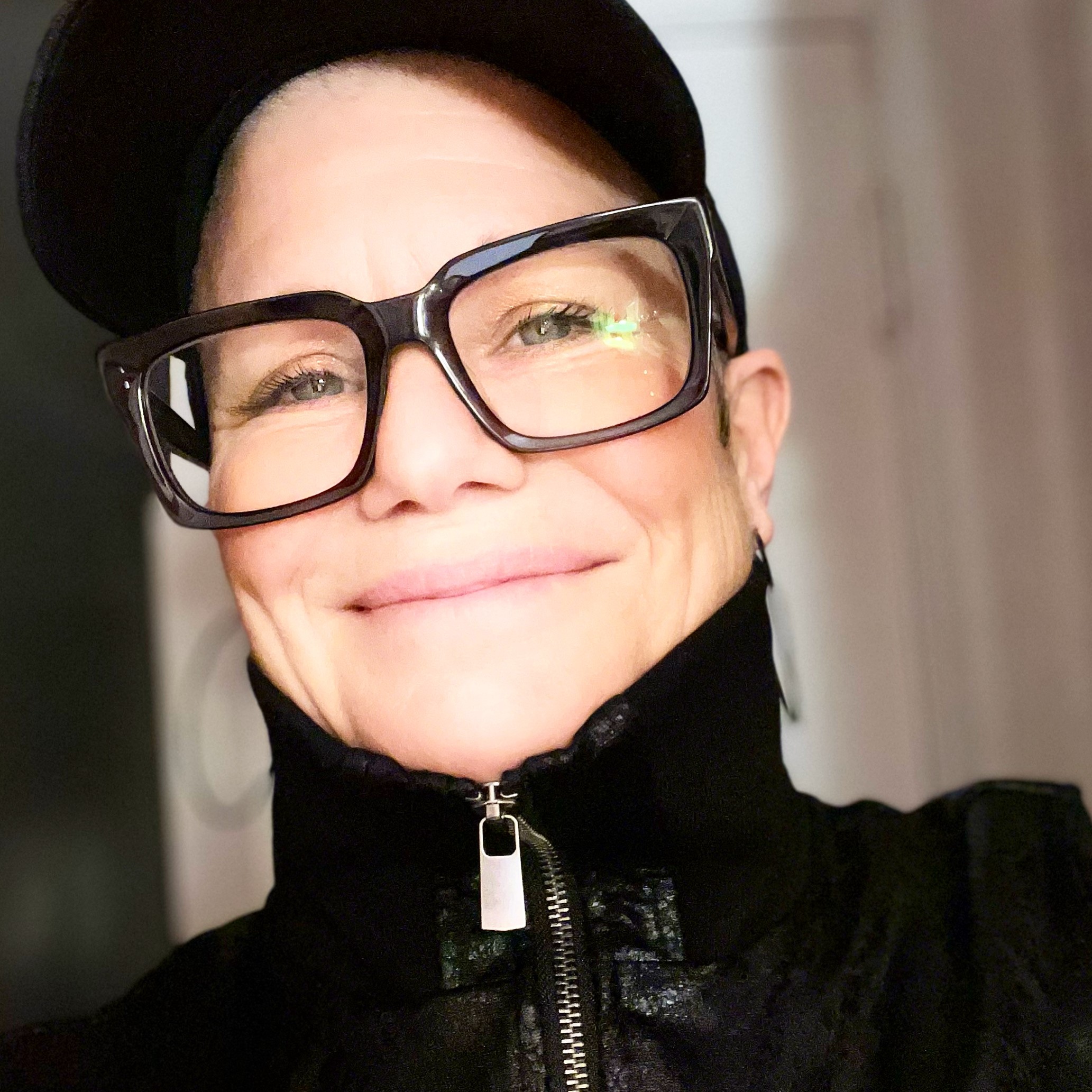
President & CEO
Erin Benjamin is the President and CEO of the Canadian Live Music Association and one of the most influential leaders shaping Canada’s live music ecosystem. With more than 30 years in the industry, Erin’s journey spans touring and recording as a singer songwriter to becoming a national architect for live music policy, funding, and sustainability. Since joining the CLMA in 2014 as its CEO, she has helped guide the organization’s transformational work, including Hear and Now, the first ever economic impact study of Canada’s live music industry, fundamentally changing how governments understand the sector’s economic, cultural, and social value.
What sets Erin apart is her ability to translate culture into credibility and advocacy into action. Working alongside the Government of Canada, her leadership helped advance more than 70 million dollars in first ever support through the Canada Music Fund, securing long term recognition for a sector that had been historically overlooked. She is known for converting skeptics into partners and vision into systems that last. And when Jake Gold personally recommends someone, you pay attention. Erin Benjamin does not just champion live music. She helps build the conditions that allow it to survive, scale, and matter.