
We Knew Before It Happened with Mike Schoenberger


 Apple Podcasts
 Spotify
 Amazon Music
 RSS Feed
 Some moments in life don’t make sense… but they stay with you forever. In Episode 333 of The Business Development Podcast, Kelly Kennedy sits down with Mike Schoenberger, CEO of Sunco Communications, for a conversation that goes far beyond business strategy. Together, they explore two deeply personal experiences they’ve never fully been able to explain, moments where they both knew something had happened before they were ever told. What unfolds is a powerful discussion on human connection, intuition, and the unseen forces that shape how we lead, think, and show up in the world.
This episode also dives into Mike’s journey building a $20M company rooted in people, culture, and authenticity, and why the leaders who win today are the ones willing to be vulnerable, present, and real. From leading with love versus fear to embracing the uncomfortable moments that drive growth, this is a conversation that challenges traditional thinking and reminds us that business is built on something much deeper than strategy alone.
Key Takeaways:
- The leaders who win are the ones who are willing to be real, vulnerable, and fully seen by their teams.
- Human connection is the foundation of business, not strategy, systems, or processes.
- The most powerful growth often comes from moments you cannot explain but choose to learn from.
- Leading from love creates trust and performance, while leading from fear creates tension and limitation.
- Failure is not the opposite of success, quitting is, and every setback is an opportunity to grow.
- Initiative is everything, don’t wait to be told what to do, just start and adjust as you go.
- The strongest cultures are built when people feel safe to be vulnerable and make mistakes.
- Real leadership requires slowing down, becoming aware, and making intentional decisions instead of reacting.
- The more connected you are to yourself, the more effectively you can connect with others.
- Success is not just built on what you know, but on how you show up for people every single day.
🔗 Connect with Mike Schoenberger
🌐 Website: https://mikeschoenberger.com/
🔗 LinkedIn: https://www.linkedin.com/in/mike-schoenberger/
🎸 Sponsor Shoutouts
The Business Development Podcast is proudly supported by Hypervac Technologies, Hyperfab, Thunder Bay Hydraulics Inc, and Atlas Elite Lifts. 🎸⭐
Hypervac Technologies is North America’s leader in hydrovac excavation, delivering safe, non-destructive solutions for critical infrastructure projects. If you work in construction, utilities, or industrial services, check them out at www.hypervac.com
Hyperfab, the fabrication division of Hypervac, delivers custom-built solutions engineered to handle the toughest demands in the field. Learn more at www.hyperfab.ca
Thunder Bay Hydraulics Inc has been a trusted name in hydraulic cylinder repair and manufacturing for over 55 years, supporting industries like mining, forestry, and construction across North America. Visit www.thunderbayhydraulics.com
Atlas Elite Lifts delivers premium automotive lift solutions built for performance, safety, and reliability. If you are looking to upgrade your shop, check them out at www.atlaselitelifts.com
If you enjoy the show, please take a moment to support these incredible companies who make conversations like this possible. 🎸⭐
Join The Catalyst Club Community
If you are serious about growth, leadership, and surrounding yourself with high level thinkers, The Catalyst Club is where you need to be.
This is a private community for entrepreneurs, business leaders, and professionals committed to moving the needle every single week.
Join us here: 🌐 www.kellykennedyofficial.com
Mentioned in this episode:
Hyperfab Midroll
We Knew Before It Happened with Mike Schoenberger
Kelly Kennedy: I remember waking up, which was very strange. It was like four or five in the morning, so not normal for a teenage kid to be waking up at four or five in the morning. I woke up, I was wide awake, and I just had this horrible feeling and I look at my phone and I knew somebody is going to call me.
Now it's dark outside like this doesn't make any sense. I know I'm about to get a phone call and I'm literally getting chills just thinking about this right now. I know I'm gonna get a phone call. Well, not two minutes later, that phone rings and I pick it up and it's my best friend and he's calling me.
He's crying. And I'm like, oh my gosh, like what happened? He said, li listen, there's been a horrible accident. My dad's dead.
Intro: The Great Mark Cuban once said, business happens over years and years. Value is measured in the total upside of a business relationship, not by how much you squeezed out in any one deal.
And we couldn't agree more. This is the Business Development podcast
based in Edmonton, Alberta, Canada. In broadcasting to the world, you'll get expert business development advice, tips, and experiences, and you'll hear interviews with business owners, CEOs. And business development reps. You'll get actionable advice on how to grow business.
Brought to you by Capital Business Development CapitalBD.ca
Let's do it. Welcome to the Business Development Podcast, and now your expert host. Kelly Kennedy.
Kelly Kennedy: Hello. Welcome to episode 333 of the Business Development Podcast, and today it is my absolute pleasure to welcome to our stage Mike Schoenberger.
Mike is a storyteller, an entrepreneur, and the CEO of Sunco Communication and Installation where he has spent more than 25 years building a high growth organization grounded in EOS principles, strong core values, and a people first approach to leadership. With a background that spans enterprise sales at Manitoba Telecom Services and Delphi Solutions, Mike brings a rare combination of operational discipline and real world sales experience.
His leadership has not only scaled Sunco two, a $20 million business, but has also proven that culture, connection and performance can grow side by side. Through his TEDx Talk and his real human connection framework, Mike challenges leaders to slow down, look inward, and lead with authenticity in a world that is moving faster than ever.
A longtime member of the EO organization and the Edmonton Executives Organization, he continues to invest deeply in entrepreneurial community through mentorship and leadership. But beyond the titles and the growth, Mike's message is simple and it's powerful when you strip everything else away. The leaders who win are the ones who are willing to be real, be seen, and connect on a human level because in the end, business doesn't build relationships people do.
Mike, it's an honor and a privilege to welcome you to our stage today.
Mike Schoenberger: Love it. I, I got goosebumps when you read my, my intro. I'm like, who is this dude? You know, I wanna meet him. So yeah. Thank you very much. I'm honored to be here and I very much look forward to our conversation.
Kelly Kennedy: Oh man. The pleasure.
The pleasure is mine. Um, I've enjoyed, you know, we've spoken a few times, I've had a chance to even speak to your employees, which was a lot of fun, um, on your show, which you know, you do for your organization, which is so cool. Uh, more, more entrepreneurs and leaders and CEOs need to do their own shows for their, uh, employees.
That's absolutely incredible. I had a great time. And actually you have just such an incredible team of people who work for you. After we did that, I wanna say like five or six people from your team reached out and was like, that was amazing. Thank you so much for your time. So it was, it was really nice on both sides to be honest.
Mike Schoenberger: Awesome. I love to hear that. You know, it's uh, it's sometimes as simple things can make a difference and, not even a question here, but I'm gonna give you a little more context. I always believe in 1% improvements as a human being and how do I inspire that and bring that into my business? And that's where I came to that 30 minutes, uh, with Mike, which, more from helping to educate people on EOS in our first acquisition.
To getting to know individuals with questionnaires to bringing, you know, 15 fun fact series to bringing in external guests like yourself. With that fundamental principle of if we can get a nugget or a wisdom from either each other, fellow employees or external guests that help us show up 1% better in our lives, it's gonna translate into our business and how we show up at work.
And you know, that's something, been doing it about three years now and it's been a really cool exercise. Every Thursday we meet for 30 minutes. Yeah. And uh, it's been awesome. And I appreciate there's still people talking about, uh, your session when you came in and talked to everybody.
Kelly Kennedy: I, um, I love doing that.
I really do. And uh, you know, one of the things that has been surprising to me with this show is just how willing leaders are to come and share that information. I think a lot of people are really afraid to ask, are afraid to ask people like, you, like me to come in and just speak to our expertise. But like the reality is probably some of the most.
The most gratitude that I get, uh, uh, in my, in my position, in my life is when I get to share with others. And I, I'm, I know that's the same for you too.
Mike Schoenberger: A hundred percent Connection means everything and, and resonance where, you know, if we go, you know, I've had so many experiences, you know, you see a little bit of, of white here that I'm, I'm
Kelly Kennedy: catching up.
Mike Schoenberger: Yeah. That means that it comes right. Successes and then a whole bunch of, uh, opportunities to refine success in, in failures, to learn from it, to build on. And if I, it's my duty to, to share that with the world so that maybe it can save a trip or a step from somebody else and, and encourage other entrepreneurs and people, whether it be a, a human teaching or a business teaching.
Kelly Kennedy: Yeah,
Mike Schoenberger: it's, I think it's our, our duty as leaders to share.
Kelly Kennedy: Absolutely. Absolutely. I would say that from a standpoint of giving back, I always say to like, people out there who are like, well, I don't know if I should start a show. I, I have a lot of people reach out and they're like, I'd like to start a podcast, but like, why me?
And I'm like, why not you? You've been an expert for 15 years in something. You absolutely should start a show and talk to people about it. I'm living proof, man. Like I got into this. I'd been in business development directly for 10 years when I launched Capital Business Development. I launched this show at about the 12 year mark or so.
I'd been in sales and marketing and stuff before that, but business development directly for about 12 years when I launched the BDP and the reason that I launched the BDP Mike for all of our new listeners. Is that I recognize that in the business development space, there was nobody teaching anything.
We had people in sales talking about sales stuff, people in marketing, talking about marketing stuff, but nobody talking about how do you actually just generate human connection? How do you build interest in products and services that lead to meetings and opportunities? Nobody was talking about just that piece, and I was like, okay.
I'm, I may not be the right person to do this, but I'm absolutely gonna give it a try.
Mike Schoenberger: Yeah. And here we're, I'm glad you did. It's worked. It's worked.
Kelly Kennedy: It's, uh, it's pretty crazy. It's pretty nuts of what we've been able to build here in, in about three and a half years. But, uh, I really enjoy this.
This is, this doesn't pay the best. But it absolutely is the most fun, the best thing that I could be doing at this point in my life. I love podcasting. I love having connection with people like you. I love learning from people like you. You know, uh, at this point too, I've, I've been an entrepreneur for five and a half years, so like, I'm still very new.
So being able to learn from someone like you who's been, you know, in the trenches for the last 26 years is really a privilege. And, and the greatest thing that comes for any podcast host, for sure.
Mike Schoenberger: Yeah. And it's, you know, there's a couple of really cool things that you said in there that you're giving freely from the heart and trying to encourage connection and create this community of learning and knowledge and not really serve, you know, to directly serve your interests.
And I think there's power in that, that when we give freely, for whatever reason, whether you call it the universe, energy attraction, whatever stuff comes to you and you never know. You know, they call that six degrees, seven degrees, whatever that is. Absolutely. You never know somebody that you might influence or help or educate or, or give them something who they know that might turn around and help.
Oh man. Yeah. And, and that's why I'm such a huge believer in just do the right thing, man, lead with, lead with love, lead with the heart. Um, if you feel like you can offer value, offer value, you don't always have to charge for it.
Kelly Kennedy: Yes. Yes. And, and like you said, it always comes around and it's who you know, right?
Who are you talking to today? Who are you getting to know? Who are you helping within your community? Because you're absolutely right, like the power of anybody isn't in themselves. It's in the community they surround themselves with.
Mike Schoenberger: Yeah. It's even how we got connected randomly somehow through LinkedIn and then I saw something, you know, and just.
Randomly started a conversation and Right. We talked to my staff and influenced my staff and you know, here we sit today, right? So
Kelly Kennedy: almost everyone that I have met over the past three years has been an introduction from someone else, which is crazy, right? But that's how it works. It's like, have you met this person?
They're incredible. You should just have a conversation and a 20 minute conversation turns into a relationship, which turns into a podcast conversation just like this.
Mike Schoenberger: Yeah. And is that by accident?
Kelly Kennedy: No, I don't think so.
Mike Schoenberger: No, I don't think so either.
Kelly Kennedy: And I think we're gonna get into that today because me and you have both had a couple experiences in our life and for those who really know me well, you know, I love a good paranormal story, a good strange story.
And I'd explain story, which I know is a little weird for a business show. But we do have Halloween specials on this show, Mike, where I get to bring in people like Jim Harold from Jim Harold's Campfire, where they just tell ghost stories and stuff, which is a ton of fun. But I think there's just an unexplained part of life that everyone knows is there that we're not really sure what to do with it or where do we file that in, in the box of things when things happen to us.
Right. I intend to share a story that I have never spoken out loud except for to my closest friends and my family today. And Mike, it's because of the story that you chose to share in your TEDx talk. And so I want to thank you for that ahead of this. And I know we're kind of teasing the audience a little bit.
Trust me, you're gonna wanna stick around for these stories 'cause they're pretty good. But before we get to that, Mike, and maybe we can even lead into it. With your journey, I would love for you to take us back to the beginning. Take us back 26 years ago to just getting started at Sunco Communications, you know, what was going on for you?
Who was Mike Schoenberger at that time?
Mike Schoenberger: Yeah, I'm gonna, I'm gonna go back quickly, even farther, 26. Aging myself to 1987, so that would be like 30 some years ago. And, uh, you know, I graduated high school. I'm, I'm 17 years old. I'm shy, I turn sideways. I, I really wanna try to be invisible. I'm like, weigh 135 pounds and I have no confidence.
And so I graduated high school with no idea what the heck I wanted to do with my life. The day after graduation, I'll never forget this moment. My dad knocks on the door of my room and he is like, you up And I'm, uh, yeah, it's early. He like you. Not really. He like, get up, coming to work for me. That, that moment transformed my life.
You know, he, uh, he had owned a big electrical contracting firm, 300 and some employees in the late eighties. Wow. And the market crashed. So we decided to get outta that. 'cause it was, not what he signed up for and decided to just start a proprietorship. Paul's electrical, exact same time that the telecommunications industry in Canada was deregulated.
So what that means is like the ED tells the Agts they had a monopoly and the government said you can't. And it allowed third party competition to come in and sell business phone systems. And a company called Canadian Telecommunications Group came in and my dad happened to get the electrical contract for the Edmonton office.
Kelly Kennedy: Wow.
Mike Schoenberger: And when he was there. It was a box of cable on the floor, and at that time, telephone wire had to be pulled in conduit, and he put it in without being asked. And because he did that single, single thing without being asked and showed initiative, they said, we think we're gonna be busy. Can you do contract and cabling for us?
And out of that, he became very busy, fast forward six months later to that moment where he knocked on my door and, uh, needed really some slave labor. So I proceeded to work for him for $5 an hour. And the magic in that was I got to travel side by side with my father from 1987 to 2000, uh, when we bought the business.
Wow. And I got to learn what. You know, what all the trials and tribulations, what worked, what didn't of running a 300 purse company and, and how to show initiative and how to learn how to work and how to learn, how to speak to people and learn the financial aspect and billing aspect. So he gave me all the different parts of the jobs, and then he gave me confidence, which enabled me to, to, you know, put my neck out and connect with my wife or my.
Girlfriend that turned into my wife that I met when I was 18 and or 19, and she was 18. And just really accelerate my career. So my dad was a big, a big component of that. Bought the business from in 2000, it was the truck materials in it, there was three of us, my cousin Sean, my wife and I for 15 grand.
And we, uh, we turned that, uh, turned that contract into the business that it is today, right across Canada.
Kelly Kennedy: Wow.
Mike Schoenberger: You know, 65 employees and over 20 million in revenue.
Kelly Kennedy: Wow. Yeah. That's incredible. That's absolutely incredible. And I love, I love the entrepreneurial dad side to this because Mike, you might not know this, but on this show, there is a trend and when I see people that are insanely successful like you, who have made such a gigantic impact behind them.
Almost always is standing a parent, an uncle, a grandparent who emulated what that could look like for them. My greatest hope is that my kids are 10 times more successful than I am because they got to watch what I did.
Mike Schoenberger: Yeah, I love that. That is so true. And I know that that's, that was my dad's, that was my dad's philosophy too.
You know, it was, my first year was better than, uh. Year, his best year in the, you know, electrical contracting proprietorship that he had. Paul's electrical services.
Yeah. Which is, which is kind of funny. And you know, that that little showing initiative and going to do work, even if you're not being asked, has stayed true to my life.
And when you talk about paying it forward to your kids, my son, who's 25 now, his first job was at Earls.
Kelly Kennedy: Yeah,
Mike Schoenberger: working in the kitchen. And he did just that. He would be, making an appetizer and then if he wasn't busy, he'd ask somebody, Hey, how do I make that next thing? And next thing you know, he is the full first youngest, ever fully trained line cook at Earl's.
Kelly Kennedy: Wow.
Mike Schoenberger: And getting more responsibility. So if you're talking about nuggets for, for people and giving back, that's one. Don't wait to be told what to do. If you see something and you know what to do, show initiative and do it, and it'll never serve you wrong.
Kelly Kennedy: Absolutely. Absolutely. You know, Mike, we don't talk with a lot of people from the communications industry.
Uh, I I wanna say if there, there might be you and someone else, like it's been, it's been that little in over 300 episodes of the show. Um, I, which I think just shows maybe. How small of an industry it actually might be, even though it is such a large industry. I think potentially the player group might be quite small of the people of your caliber for sure.
Bring us into communications, you know, what was communications like 20 years ago to what it is today. Take us to like the early two thousands to today. Bring us into it. 'cause I, I don't think we've ever had that perspective on the show.
Mike Schoenberger: Yeah, you know what? It's a great question. When I first started in that deregulation, Edel had these great big huge, that 25 pair cables that, that ran a phone and there was no privacy.
There were those, those rotary doll phones that had the big lit buttons, and if you saw the button was lit and it was flashing, that meant somebody was on it and you could push the button and listen in. So when, when they deregulated, we had a phone system that gave you privacy. You could fix which phones would ring.
It was all driven by a box on the wall in the back room, and. We had to run new cable in and we were probably putting in three, four phone systems a day. Wow. It was like, wow. You know, they were renting the phone systems and it was way cheaper to buy than rent, and then came voicemail. So you had the ability to create an auto attendant and leave voicemail messages.
And then it came, you know, there was the age of the fax machine. There's been so many things that has moved the industry forward, and then we came into the world of, the call, ring your cell phone at the same time that it ring, you know, your office desk, and then you could get remote phones, you could work, uh, you know, I've, I've had a remote phone for probably.
And now everything is all VoIP. There's no longer boxes in the wall. It's all ones and zeros. It's all driven by software. Wow. And that's all. And now it can be AI driven and there's AI voice agents and call recording and you know, what they call omnichannel. So people, paying attention to email and voicemail and texting and Facebook, and being able to monitor all those channels.
Act on intelligence. So my world has been transformed and as such, those companies that used to hang the boxes on the wall and deliver the phones for the on-premise stuff, most of 'em have disappeared. And there's actually not even many providers anymore. It's VoIP. Remote only kind of companies where you buy a service from a website, they deliver you a a device and if you have problems, you call and you try to fix it on the portal, where we've really focused to be different to that personal touch and we offer the same kind of services, but with our value add.
So it's really been an interesting ride. Our primary competition is the Telus. Mm-hmm. And the Rogers and the RingCentral's and the eight by eights, which you might go there. It's a million times our size. They're billion dollar companies. We're, $20 million. And, and really it's that differentiator where, you know, you can get one bill from us for your it, your VoIP, your MSP, your cybersecurity.
Um, we make business communications easier for our clients and, uh, we know technology so we can do some really cool things.
Kelly Kennedy: Yeah. No, that's amazing and I wanna spend some time on that as we get to the end of the show, because I think that's super important because I think if people think I need a phone, they're probably thinking, I need to call Telus.
I need to call Bell. I need to call Rogers. Right? Like you basically have three choices in Canada, which I don't know, I'd love to maybe chat with you about because I don't know anything about it, but it does seem kind of weird that we are trapped in this, what feels like a cell phone monopoly.
Mike Schoenberger: And, and it's, you know, we don't really do anything on the mobility side other than enable it with some foip applications, but it, it's, yeah, there's truly so much more to it that they don't give you.
And a lot of the customer service, they'll throw a big team at you if they think you have money or multi-site. Yeah. And then once they sell the solution to you, now you're dealing with call centers that are over and you know, depending on the service, you might have 10 different numbers to deal with. So we've simplified that complexity and that's why we stand out.
We've had lots of success with government and municipality. You know, multi-site businesses, and that's why we've grown so much is because we're in an, we're unique. Our biggest problem is people don't know who we are.
Kelly Kennedy: Yeah, well, exactly right. And, and, and I kind of feel too like, and no necessary shade to Teis and Bell and Rogers.
But guys, I've had some horrible experiences with at least two of those companies, and I think like. Oh my gosh, Canada, we really need more diversity in the phone companies and, and the opportunities out there because it does kind of feel at the end of the day where it's like, pick your poison.
Mike Schoenberger: Yeah. That is, uh, that is a hundred, you know, it's the, the race to, you know, and they all try to give the customer service, but it's difficult because they're so big.
Yeah. And so that's been really a big. Success driver for us is we resell their services, we wholesale their services. Yeah. But then you don't have to deal with them. So you get a simple bill from us and if there's any problems, you call us. And we deal with the complexity that telcos because we understand it every day.
And uh, that's been really cool.
Kelly Kennedy: When we lived in Edmonton, I had, I'm not gonna name the, the carrier, but I had an issue with the carrier where, where our house was, it just happened to be in a bit of a dead zone, so and so I kept calling them. My phone only works when I'm on wifi, like it had the wifi connect and I'm like, I'm like, I like my phone would drop out.
Like I'd have tons of issues. And it never was resolved, Mike, it never was resolved. We probably had like three tickets and nobody would call me back. Nobody would deal with the situation. Um, I did eventually change providers, although I don't know if that actually solved my problem 'cause we moved roughly around the same time.
But yeah, it was crazy. Basically there was about a year. I didn't know if my cell phone was gonna work or not.
Mike Schoenberger: Yeah. It's, and really because Canada is so big and so diverse, there's a lot of complexity and access and coverage and all sorts of things. It's way more complicated than people think. Right.
So it's, uh, yes. Yeah. It's an interesting field to be in and how much is changing, especially now with AI and, and what AI can do for us, it's, it's wild. And we could probably have a full podcast on that.
Kelly Kennedy: Totally.
Mike Schoenberger: But you know, the, to bring us back to the human connection part of it. That's what's gonna help companies differentiate themselves and not just survive, but thrive.
Kelly Kennedy: Yeah.
Mike Schoenberger: Is paying attention to the human connection of business.
Kelly Kennedy: Yeah.
Mike Schoenberger: When we look at how we communicate as humans, over 75 to 85 to 90% of our communication is non-verbal. Which means you can't see, I talk with my hands a bit, so you'll see my hands, but lots of what I'm saying, you can't, you can't tell over a conversation like that.
There's video, so you can see my facial expressions and a little bit with my hands, but AI can't do that. And so human, the human element and the companies that embrace that and you know, foster that connection are the ones that are gonna succeed in this AI driven era.
Kelly Kennedy: Bring me into that a little bit deeper.
So how are you, how are you doing that for Sunco? How like, and obviously I know that you're hopping on podcasts, you're having conversations with people, but what are some of the ways that you are really working to have a human connection as opposed to just being a figurehead of a company?
Mike Schoenberger: Yeah, so the, the one biggest one is that 30 minutes, you know, with, with Mike where I engage, you know, with all my employees and, you know, we've got an HR team that's constantly engaging and even though a lot, we have people right across Canada, we encourage video on and face-to-face calls.
Kelly Kennedy: Yeah.
Mike Schoenberger: But it, it's really, when you think about. All emotion. It's having real conversations and trying to, you know, it's a big, that's a really big question 'cause there's lots of different things we do, but it's really starting with curiosity. And if we break down the emotions to two emotions, all, every, all decisions, everything that we act as humans come from.
Two things, fear or love. And so if you're angry, if you're frustrated, if you are feeling anxiety, if, if any of those, they're the base emotion, if you keep digging all the way down is from fear. You're afraid of something. Afraid of looking bad. Afraid of not doing the best job, afraid of whatever.
And then there's love which comes with curiosity and compassion and that, that heart-based leadership. So I encourage my leaders and my team to, to take a step back when they're in a moment of frustration or things aren't working and go on my coming from love firm, coming from fear. And it, when you start creating a culture to be trusted, to be able to do that, and you give people the space to be.
Vulnerability is okay.
Kelly Kennedy: Yeah.
Mike Schoenberger: Then all of a sudden you create an environment to grow from that. If we screw up, everybody screws up. Nature, just,
Kelly Kennedy: yeah.
Mike Schoenberger: Just own it. And, you know, that's, you know, one of my biggest things I love hearing on our podcasts, you know, recently opposite of success and most people automatically default to failure.
And it's not failure.
Kelly Kennedy: You, me, and you agree on this. It's, it's actually just quitting.
Mike Schoenberger: Yeah it's stopping because failure is life's biggest teacher and that's why we've had success in business for these 20 year, 25 years, is because we constantly are changing. That's one of our core values is embrace change.
Yeah. Because just 'cause we did something yesterday that worked, doesn't mean it's gonna work tomorrow. So if something fails, it's like, don't start pointing fingers, let's just. Talk it over, figure it out, and figure out how to get back to success again. Right? And so,
Kelly Kennedy: yeah,
Mike Schoenberger: said a lot there. But that's really what we do.
Kelly Kennedy: Yeah. And, and it's so funny, Mike, because literally just last week I talked about that exact thing on my Wednesday show where I was kind of saying like, every company, if you look at like Ford, if Ford was still making the Model A, they probably wouldn't be doing super great, would they? Yeah. They have to essentially fail out.
On a product, a model, something else in order to design something better, there needs to be motivation to keep growing, to keep learning. And I don't know about you, man, but I feel like I've never learned from the things that came easy to me. And I've always learned from the things that hurt a little bit.
Mike Schoenberger: Yeah. You know, you know, it's, I've always said, you know, celebrate your successes, but it's like, woohoo. If we always won, how would you get better and grow and learn? Yeah. It's the a hundred percent agree. It's like you learn from your failures because that's where true strength lies.
Kelly Kennedy: Yes.
Mike Schoenberger: That's what builds you up.
It's like from the flames of the ashes rise, the phoenix.
Kelly Kennedy: Yeah. Yeah. Uh, people, people sometimes get a little, get a little upset at me because I say, version one of your company is probably gonna suck. And I say that with love people. I say that with love because version one is just that V one.
You have a lot of growth, a lot of evolution. If I was still doing what I was doing at the beginning of Capital bd we wouldn't have this show. I'll tell you that right now. We wouldn't have the podcast production stuff that we're working on behind the scenes now. Those had to come from trying new things and, and realizing that the thing that I was doing can't be the be all, end all of who Kelly Kennedy is and what comes next for, for the organization and everything else.
You have to be willing to keep trying new things. And if you try new things, eventually you're gonna find things that didn't work. You might not know this Mike, but even just like three weeks ago, we shut down authentic hustle. Which was a live LinkedIn show that we were doing once a week. Myself, Colin Harms, Vijayan Swaminathan, the most fun, some of the most fun I had every single week, but it wasn't doing a lot for us on, you know, on a, on a professional level.
We were having a great time. We were having a lot of fun with it, but the show itself. We got stuck with it and we weren't really sure kind of where to go next. And so we just decided, you know what? Let's wrap this thing up. Let's call it V one, season one, and maybe we'll revisit it down the line. Every single one of us were better for making that decision.
'cause now we're working on other things. You know, I have a podcast production opportunity on my table. I can spend more time building. I Used To Work There, which we can talk about later on in the show. But I can focus my time now on things that are more meaningful, that have a greater long-term impact and evolution for what I'm trying to build.
And sometimes that is what closing a door is. It's about making space for something much, much better.
Mike Schoenberger: Yeah. It's again, full agreement because how can you, how can new doors open? If your awareness is not there to see them. So, and that goes back to, you know, our conversations around the whole energy thing and everything else is if you don't create space for new things to come to you, they won't.
And so that's why sometimes you, if something isn't serving you, if you're not having fun, if you are feeling like you're always knocking your head against the wall mm-hmm. Then how do you change? You gotta do something different. And sometimes we get. People don't like change as human beings. So if, you know, especially if we're enjoying something, but to say goodbye to that, it's amazing what comes to you every time in my life when I've done that.
Opportunities came outta nowhere. Yes. And you know, it's just really cool when that happens.
Kelly Kennedy: Oh, never fails. Never fails. That when space opens up something incredible shows up to fill it. Like always. Which, uh, yeah. We can, we're gonna talk about this and maybe this is a great moment actually to segue into it, Mike.
There's some stuff happening out there in the world that we just simply can't explain. And I always say on the show, whether you believe in God, the universe, whatever you believe in, there's things out there working for you. There are things out there happening behind the scenes that you don't necessarily see happening that are absolutely happening for you.
And I've had a couple situations, Mike, just before we get into your story, I've had a couple situations where. I lost a big contract or an opportunity simply did not go my way. And I'm feeling, in the moment I'm feeling like shit. I'm feeling distraught. I'm feeling like, oh God, like what are we gonna do?
And I kid you not sometimes, literally within hours, I've actually had it happen within hours. A new opportunity. Didn't just walk through the door, it came in and signed the contract at the same time, like I. I, I have no words for some of the things that have happened in my life that there's no way it was a coincidence.
It was, it was something looking out for me in the moment.
Mike Schoenberger: Yeah. I, uh, I've had the same thing my whole life and, uh, things that in the moment I'm like, oh my God, I can't believe we lost this. And then things came out that, holy crap, if we would've won that, it would've destroyed us.
Kelly Kennedy: Yes.
Mike Schoenberger: And, and it, and we would've, we wouldn't be here as a company anymore.
And then other ones that we had no business winning, but maybe we did because we accomplished it and, and had huge success. Yeah, I'm a big believer in that and I'm excited to where you wanna lead this conversation next.
Kelly Kennedy: Well, I feel like this is a great segue because actually what you are going to tell is, an I Used To Work There story, so for those of you who are maybe I, my audience actually is kind of just getting brought into what I've been working on behind the scenes.
I've mentioned it, I've dropped it a couple times, but we've had so many guest episodes over the past, little bit, Mike, that I haven't really been able to like tell them about the other show. And so there's another show that I'm building right now called, I Used To Work There, and it's just that it's stories that happen to people at work and it can be the strange, the weird, the paranormal, the exciting, the scary, the inspiring if it happened to you at work.
We want to hear it. And so actually what you're going to tell is an I Used To Work There story, but it's so cool because I'm going to have a chance to share something very similar that happened to me and I just listened to your TEDx talk and I was just immediately hooked in Mike. 'cause I was like, holy crap.
Like I, I know in a way what it's like to have a similar experience to what you had. Yours is very different than mine, but at the same kind of guise of like. Wow. Like I, I still to this day can't explain it, and so I'm really excited to share it. But before we do that, Mike, tell us what happened. You had a wild day on February 18th, 2003.
Tell us what happened.
Mike Schoenberger: Yeah, so a just a brief peak, curs precursor to that, to set the stage. I would. Ask you the question, how many times have you thought of somebody that you haven't thought of forever? And then they randomly call you or they text you. Yeah. Or you walk into a coffee shop and they're there.
Kelly Kennedy: I literally have chills right now. I have chills right now because it's happened so many times
Mike Schoenberger: and, and everybody. And is that by coincidence, is that by accident?
Kelly Kennedy: I don't know.
Mike Schoenberger: I dunno.
Kelly Kennedy: I don't think so.
Mike Schoenberger: I, I, I think as, as human beings, I'm a communication guy. What is our connection to ourself? What is our connection to each other?
And I think, and what I've come to learn is it's a bit like. The internet or cellular are you dial up connection. Are you 3G, 4G 5G LTE or are you fiber optic? Are you lightning fast? And that's what I talk a little bit about is how do we turn up the dial on that connection to ourself and to others? And, and I go over that in my TED talk.
So February 18th, 2003, as I talked about earlier, my dad was extremely close. We were very, very tight and, uh, it was a cold, cold winter day. It was, middle of winter, minus 30 bright blue sky, and I was a technician at the time, so I was a doer, and I was on the last, last job of the day. I'll never forget this moment.
I walk up the stairs. There was McCoy Brothers in Edmonton. It was, uh, they did transmission and all sorts of stuff in their shop, and their phone room was upstairs and I'm about to walk into the phone room when, all of a sudden outta nowhere, I had this feeling in my body, a pain in my chest and nausea that literally, not figuratively, literally knocked me to the floor.
Kelly Kennedy: Wow.
Mike Schoenberger: And I'm like, I ha, I'm like, am I having a heart attack? What the heck is going on?
And after what, maybe a minute, maybe two minutes, I'm not sure how long it lasted, the feeling, the pain left, but I had this uneasy feeling and so I finished the job drove home, and as I'm driving into my garage, I hear the phone ringing.
You know, no cell phones at that time. It was a landline run into the house and, uh, and I pick up the phone and before I picked it up, I just knew
that my father. My mentor had passed away suddenly of a massive heart attack.
Kelly Kennedy: Now, you knew when you picked up the phone, you knew before you even got home, didn't you?
Mike Schoenberger: Yeah. Yeah. It was like I knew that there was something that was not right.
Kelly Kennedy: Yeah.
Mike Schoenberger: And I picked up that phone and as soon as my aunt started to speak, it was like, whew. And for me that was 2003. So I didn't discover the significance of that. And I put all that emotion in a box and I've, I've written about it, uh, in a book that was just recently published, and it's in my TEDx talk.
But that, that really, when I opened up that box, 19 years later, it, uh, that's when I started this journey and really understood the power of real human connection and that it starts with within ourselves. But it was a powerful moment that, that, that signal of thinking of somebody and they call you a connection.
What happens when we're really connect? My dad and I were extremely close.
Kelly Kennedy: Yeah.
Mike Schoenberger: And so I know with every cell of my being that I felt the moment of his death. Yeah. And can I explain it?
Kelly Kennedy: Yeah, please.
Mike Schoenberger: Yeah I would say, can I explain it? No, I wish I could, but, but I it's, it's come where I believe today that as human beings, we're all connected.
Yeah. And there's, there's an energy amongst us, between plants and an energy in all things, you know, the Chinese have been studying it for, and, and you know, in many different cultures they've been studying energy and chi and flow and there's lots of things to it. There's something more than what we can see.
We can see and touch the wind, but there's more than these three dimensions. There's more than what we know, which you talk about. The paranormal, which I've dove into this, this whole rabbit hole myself. And the more I dive into it, the more interesting that that I find things. And there is, there is way more. And so why can't we tune into that? Yeah. 'cause if you tune into that, it doesn't have to be a moment of death. It can be, you know, that was just an extreme example. But now I use it in so many powerful other ways. It's just transformed my life and that's why it's my mission to share it with people.
Kelly Kennedy: I think the more interesting part about the paranormal or the unexplained is that it doesn't seem like we control the moments that they happen to us. Right? Like you weren't planning to have a, a different experience. Well, you obviously on that day, but it did, it did happen. And that leads into, I've had plenty of experiences in my life, which have led me to believe in a much bigger world beyond what we can see.
Uh, maybe over time. We'll, we will reveal more and more of them as we go. I'm sure we will, as I Used To Work There, takes off, but. Your story immediately had me thinking of a story that happened to me. And you know, what's kind of crazy, Mike, is that this would've happened probably about three years after you had your experience.
And, um, I woke up. I, at the time, I would've had, a relatively new cell phone, like, I wanna say like 2006, a flip. Yeah, I would've had a flip cell phone. Exactly. Absolutely. And I remember waking up, which was very strange. It was like four or five in the morning, so not normal for a teenage kid to be waking up at four or five in the morning.
I woke up, I was wide awake, and I just had this horrible feeling and I look at my phone and I knew somebody is going to call me. Now it's dark outside like this doesn't make any sense. And I know I'm about to get a phone call and I'm literally getting chills just thinking about this right now. I know I'm gonna get a phone call.
Well, not two minutes later, that phone rings and I pick it up and it's my best friend and he's calling me, he's crying, and I'm like, oh my gosh. Like what happened? He said, li listen, there's been a horrible accident. My dad's dead. We have emergency services at the house and they need us to have friends and family come.
Can you please come? Wow. Holy shit, man. Like I haven't told that story out loud like this in a really long time and my eyes are watering just thinking about it, but it was, it was one of the craziest moments of my life, Mike. To this day. I don't know why I knew that. I don't know. It was just crazy. But that really happened and um, yeah, sure enough, got, we, we hopped in the car and I got there and I obviously, you know, I looked back and it was just, I needed to be there for him in that moment.
Right. And. Crazy. But it's, it's very similar to your shared death experience. And I think maybe what's important for our listeners too is that if you, if you spent any time researching any of this, you'll actually learn that what Mike experienced is actually known as a shared death experience. And they, they're actually very common for people to have with, with loved ones and parents.
Mike Schoenberger: Especially when you have a really close tie and you get with siblings and twins where they can feel the pain of
Kelly Kennedy: Yeah.
Mike Schoenberger: Of the other person. And, and there's a connection that even, even telepathy and things like that. I think that there's, as humans, we all have. Different innate abilities to connect.
Kelly Kennedy: Yeah.
Mike Schoenberger: And I think society, our upbringing, this materialistic three-dimensional world that we live in has suppressed all of that. And I think if we go back to our hunter gatherer roots and indigenous cultures, there was lots of this that happened all the time.
Kelly Kennedy: Yeah.
Mike Schoenberger: That they embraced as part of their culture.
So it's not like this. It's, it was buried by capitalism and industrialism and, and you know, what was perceived to be growing as a society. The interesting thing that I find that COVID is really, um, accelerated, is we're living in a society of extreme loneliness.
Kelly Kennedy: Yeah.
Mike Schoenberger: Of extreme anxiety. Of extreme mental illnesses.
Illnesses. And we've never been more disconnected, even though we live in a world that has never ever been more connected than we're today. Right.
Kelly Kennedy: Yeah.
Mike Schoenberger: So what is missing in that? And it's. The actual human connection. It's not,
Kelly Kennedy: it's authentic human connection.
Mike Schoenberger: Yeah. It's, it's not scrolling on Instagram and watching people's feeds because most of what you see on Facebook, Instagram, TikTok, and I'm probably aging myself 'cause there's probably a whole bunch of, of new, uh, new ones out there that's not, those are the
Kelly Kennedy: ones I know of too.
Mike Schoenberger: It's not really what reality is.
Kelly Kennedy: Yeah.
Mike Schoenberger: You know, I, yeah. Remember being on a cruise and being on a beach and seeing these young people come in and they do a bunch of selfies and they take videos of themselves flashing in the water and then they run away.
Kelly Kennedy: We did that. I know, right? The wor the world where it didn't happen.
If there's not pictures yet. That was just the world once.
Mike Schoenberger: Yeah. And then what happens when you actually leave your cell phone behind and you just connect and have conversation with people? Right.
Kelly Kennedy: Yeah.
Mike Schoenberger: I used to have an Apple watch and I would find, I'd be always looking at it and distracted and all the like.
The time and space to connect with yourself is something that we've lost as a society. Our attention spans are getting shorter. Our ability to read books, our ability to watch long form podcasts, all this stuff is being diminished because, uh, our attention is being stolen and, and society is paying for it.
Kelly Kennedy: I wanna talk about you. At what point did you really start to open up to some of this stuff, right? Like specifically in your TEDx talk, you spoke about a moment that happened on February 19th, 2022, which was what, roughly 19 years, nearly to the day after your father had passed away and, and you were at an event in Banff Springs.
Mike Schoenberger: Yeah, I love it. Good memory. And so it's, um, I'm part of the Entrepreneur's Organization, eo, and they're always challenging leaders to become. It's, you know, who you are as an entrepreneur is gauged by who you are as a leader in an indi in a human. So try to get 1% better in that, getting comfortable with the uncomfortable.
So I was at this leader. Summit in Banff. And uh, and I was told to just say yes. And so, you know, I'll I'll never forget the moment I'm walking up to these doors and it was like two double doors in the Banff Springs Hotel and there's a sign, you know, outside that says EO Wim Hof.
Kelly Kennedy: Yeah.
Mike Schoenberger: And I open up the doors and there's bunch of yoga mats on the floor and these are, you know, it's just after COVID.
There's these two big TV screens. There's this guy from Australia on it, and they say, grab a blanket, lay on the floor. And then he walks us through. He goes, for an hour, we're gonna just continue his breath. And if anybody's familiar with Wim Hof breathing, it's like you're just. And your mouth gets dry and, yeah.
And, and so I just leaned in and said yes. And so I went whole hog and I did this, and of course my mouth got dry and my body tied up. And then all of a sudden it's like everything kept getting tighter and tighter and tighter. And I was like, what the heck's going on? Okay. Just, get comfortable, the uncomfortable, lean in.
And it wasn't fun.
Kelly Kennedy: Yeah.
Mike Schoenberger: And, and I started crying, uncontrollable. My eyes were leaking. It was just, it was like bawling and all this emotion. And then all of a sudden it, you know, I don't even know how long it was, but I think it was close to the end and I heard a voice in my head and it was like,
you're wor, you're worthy. You don't have to prove yourself to anyone. And, I love you and you're enough. And it was just like, it was like the, you know, that box that I talked about earlier? It was mm-hmm. The lid blew off and just love came out and it was just like my body released and it was like I've never done drugs in my life of any kind, but it must, this feeling must have been what it's like mm-hmm.
Because it was, I was so high. And, uh, and that's really what, what. Unlock this journey that I've been on about if I could feel that, and there's so much love, and, and why did I suppress that from myself? So I started to dive in and I started to do a meditation practice and a daily practice of like 10 minutes of meditation.
You know, 10 minutes of positive reading and 10 minutes of gratitude journaling. And the transformation that I've felt and I've learned and I've grown, has been. That's financial. So from, 2022 to, we're now in 2026, I still meditate every day.
Kelly Kennedy: Mm-hmm.
Mike Schoenberger: I still practice gratitude and what used to be, I, I describe it like I used to live my life, like being under a waterfall.
My brain was always really, really busy. There was always, it was like next thing. I was always running around. Yeah. I took successful life, a great life. But it was just a chaos filled life.
Kelly Kennedy: Yeah.
Mike Schoenberger: And now it's like I'm standing on a cliff, the waterfalls down there, and I can intentionally make decisions.
So when chaos happens in life, which it always does, I act and respond completely differently because I now have calm and peace and trust.
Kelly Kennedy: What do you think happened in that moment?
Mike Schoenberger: I unlocked something inside of myself that was always there that I now became open to. And anytime I would talk about my dad prior to that moment of February 19th, I would get emotional.
Mm-hmm. I would tear up and I couldn't say what I wanted to say. They couldn't even tell the story, and so a lot of people thought that was enduring. I've always been good in front of people and talking, and they found it inspiring how strong my connection was with my father. Mm-hmm. But I couldn't say what I wanted.
I didn't look at videos of my dad. I didn't look at pictures of my dad. I would talk about him, but not very often. And after that happened, now I embrace the memory of my father. I talk about him all the time. There's no longer tears. There's just joy.
Kelly Kennedy: Yeah.
Mike Schoenberger: You know, he was such an incredible teacher and, uh, and mentor to me that I celebrate it, you know.
One of his biggest teachings was I used to get paralyzed all the time that I would get to a job site and when if we're doing cabling, I wouldn't know where to start.
Kelly Kennedy: Yeah.
Mike Schoenberger: And I would just be like. Oh my God, what am I gonna do? There's so much work here, we're never gonna get done. You know? I don't know if any of your listeners ever have that happen in their life.
Kelly Kennedy: I feel like, I feel like many of us have been there.
Mike Schoenberger: Yeah. Yeah. And, and he would just say, you know, just pick a place and start. Yeah. And change as you go. And anytime in my life that, that I've been in that moment, I just start.
Kelly Kennedy: Yeah.
Mike Schoenberger: And the future becomes clearer.
Kelly Kennedy: Yeah.
Mike Schoenberger: Uh, it's, it's. It's amazing how that happens and little nuggets like that, that, and, you know, showing initiative and don't wait for a thing to be done.
And, you know, he used to say, the sooner you, you know, you, the sooner you do things, the sooner they get done.
Kelly Kennedy: Yeah.
Mike Schoenberger: You know, like Confucius say, it's like, uh, Paul Schoenberger says you know, so it, it, it really, that moment, um, set me on a path that is, that has led me to, I never in a million years thought I would do a TEDx.
Kelly Kennedy: Yeah.
Mike Schoenberger: In front of a stage.
Kelly Kennedy: Which by the way, was exceptional. And, uh, for any of our listeners who are hearing this right now, who really resonated with those stories, absolutely check out Mike Schoenberg's. 10 10 TEDx Talk. My mouth is broken. TEDx talk. Devin. Um, it is exceptional.
Mike Schoenberger: Yeah. I appreciate that.
Thank you so much. It's, uh, it's been an honor of, can't believe I've had over 50,000 views and, uh,
Kelly Kennedy: wild.
Mike Schoenberger: And it's pretty cool. And it's, it's led me to, you know, writing that first story that's published in a book with 10 other authors. Kind of what my journey to where I am now and I'm writing a full book on radical love leadership and how we need to put the heart back in corporations, uh, and lead with love, which, I'm a.
Old white dude and put myself for judgment without talking about leading from love. And, and it's interesting, some people I get, well, that sounds kind of weak. And I think that it's the opposite. It's totally the opposite. I, it's the biggest strength that you can have if you lead with love and compassion.
Doesn't mean that you're weak. It means that, that you're coming from a solid place to truly support.
Kelly Kennedy: You're speaking to the choir man. Everyone who listens to this show knows that to be true. No, we just, we need, we need more people to lead. To lead authentically and from the heart and like you said, we're gonna make mistakes.
We're gonna screw up. It's not all gonna go to plan, and that's for the best. How many times did you have a plan, Mike, that if it would've went to plan would've been horrible? Many, many, many. I almost swore on my own show.
Mike Schoenberger: I don't have as many fingers as I need to, uh, need to say that. So it's definitely been a lot.
Um, but there's been incredible learnings in that, and that's how you get to, like we talked about earlier, you know, celebrate all those failures and dig into them and learn.
Kelly Kennedy: If, uh, if everything had went to plan in my life, I would not be here. And I am so thankful that this is where I'm at.
Mike Schoenberger: Yeah. Yeah. I've had, I've, I'm ex, I'm a hundred percent the same way, and so many moments that if I look back to it, if I would've, one degree different, I wouldn't even be here.
Yeah. There was one moment I was at a pub crawl really, really drunk and was running across the street to the bus. Something just, just popped in my head. It's like jump and I jumped and pivots, pivot sideways and a truck zoomed past me and missed me by about an eighth of an inch.
Kelly Kennedy: Oh wow. Wow. Yeah. Yeah.
That's it. It's the unexplained universe. It's out there. There is absolutely, and I don't care whether you believe in God, the universe, whatever you need to tell yourself, there is a world out there happening that you cannot see, and I think it's looking out for you.
Mike Schoenberger: Yeah. Yeah. I, I would agree. And it's there to guide you and bring you opportunities.
It's just a matter of aren't we open to going down there? It's, we have our own free will. Totally. And our own choice.
Kelly Kennedy: Yeah.
Mike Schoenberger: So just 'cause an opportunity, you know, that's there, that can transform your life or maybe hurt your life. Yeah. You still have that choice.
Kelly Kennedy: Yeah, absolutely. Mike, this went down, uh, a few different roads of communication, which I think was a lot of fun for this show, and I'm, I'm thankful that you were willing to go there.
I think there's a lot of people who would've maybe been a little bit too afraid to share those kind of stories and, um. I'm all for them. If you're listening to this and you have cool stories, we want to hear them.
Mike Schoenberger: Vulnerability creates connection. Sorry to interrupt you there. I think that that's the biggest thing that I've learned to embrace is that's how people that you want to talk about that human connection and it starts with becoming vulnerable.
You know, if you can share true stories. That's what really helps people connect.
Kelly Kennedy: Yes. Yes. And you know, for those of you who know me well, you know that one of my favorite podcasts is Jim Harold's Paranormal Podcast in Jim Harold's Campfire. And he has coined a term and he is called too much of a coincidence, to be a coincidence.
And I think there's a lot of those in life. And business.
Mike Schoenberger: I would, I would agree. I would, I would agree with that. There's even rabbit holes. We didn't go down about how KO's name was, was built by a numerologist that was high growth and in acceleration. And when we, when Sunco was born in 2000 and Yeah, so it's, there's some, well,
Kelly Kennedy: I'd say it's living up to its name, Mike.
Mike Schoenberger: It, it, it has, yeah, it has for sure.
Kelly Kennedy: Mike, this has been absolutely incredible. For our listeners who are tuning in, wanna learn a little bit more, tell us a bit about your services at Sunco.
Mike Schoenberger: Yeah, so Sunco Communications, you know, we're a telecom and IT managed service provider, so if you're a, a business, a multi-site business, we're B2B only.
We do VoIP service, what we, you know, private, and then the public services as well. And really what makes us different is our commitment to personal touch. Using our knowledge and experience and, uh, commitment to deliver quality. We're not gonna be perfect, but we have people that pick up the phone.
So if you're getting internet from Telus and Rogers and Bell and you know all the major telcos, you can get the same great internet. 'cause they have the fiber and the wire in the ground. Yes. But you can buy it from us and then we bill it and simplify the complexity and, and support and. Make sure that we understand what our clients want.
So these leading edge softwares like voice AI agents and chat bots and get call recording and get intelligence. We help businesses decipher. How they communicate with their customers and internally and make it so that they can be successful. We truly try to make business communications easier for our clients.
So it's www.sunco.ca. Um, we're all over Instagram and, and LinkedIn and, and my marketing team does a good job getting out there. What, what we do. But our biggest competition is the. The major telcos in Canada and Microsoft. So it's, we're a small ant to their budgets. Yeah. But, you know, our customers love what we have to say and every time, my promise is that if we don't do what we say we're gonna do, we're gonna make it right every single time.
And we want every client that we sell to be a reference for us, which means we're gonna, we're gonna do what we say we're gonna do for you. And, uh, and that's, that's a little bit about who we are.
Kelly Kennedy: Uh, if that's not leading from the heart, I don't know what is Mike, bring us into where people can find you because you're actually starting to do a little bit more talks.
You're releasing books as well. LinkedIn is the best place to find you.
Mike Schoenberger: Yeah, so I'm on LinkedIn. I have my own website, mikeschoenberger.com. Um, that there's more stuff I have to do some updates on it. 'cause I've been doing a fair number of podcasts lately and they're not all on there. But, uh, yeah, I, you know, my, I'm doing workshops and, and I try to encourage teams on, on how to communic, how to connect with each other, how to connect with yourself, how to look at, I have a radical process that I walk people through on how to.
Come from love versus fear and how to recognize and, and change and, um, so yeah, my website or LinkedIn is probably the best.
Kelly Kennedy: Okay. Amazing. And I know we touched on it before the show, but Sunco it's available across Canada, right? This isn't just an Alberta thing.
Mike Schoenberger: It's right across Canada, coast to coast.
We, we go from Vancouver Island to the maritime to the extreme north.
Kelly Kennedy: Okay. Amazing. So wherever you are in Canada, Sunco communications, Mike, this has been exceptional. Before we wrap up, though, you talked about it very, very briefly, but I wanna shine a bigger light on it. You are part of a book and you are in the middle of writing another book.
Can we talk about those really quick?
Mike Schoenberger: Yeah. So, um, I was honored to be part of this. Uh, Jacquie Fenske has, uh, Be Badass, Grab Life by the Horns, and so I'm one of 10 authors that you know, and we, wrote a 6,000 word story and mine's called the Box of Breath and the Breakthrough, which is my journey from that.
That shy 17-year-old teenager actually starts when I'm 14 to today. That led me on the path to radical love leadership and my book that's in the works, I hope to have it out by November, is Radical Love Leadership, A process to to transform your. Your life and your business by leading from the heart.
Kelly Kennedy: Uh, November's a little ways from now, so if you're hearing this, it's a, and it's fresh. It's still a little ways away, but it's coming. If you were listening to this though, in 2027, that book is out. Mike, it's been an honor and a privilege. Um, thank you so much for the introduction, the conversations, the opportunity to meet and speak with your team.
I've loved every interaction we've had. Thank you so much.
Mike Schoenberger: Yeah. And I likewise, I appreciate it and I'm sure it's not gonna be our last conversation. So thank you all and thank you for your listening. So whoever, uh, decide to tune in.
Kelly Kennedy: Until next time you've been listening to the Business Development Podcast, and we'll catch you on the flip side.
Outro: This has been the Business Development Podcast with Kelly Kennedy. Kelly has 15 years in sales and business development experience within the Alberta oil and gas industry, and founded his own business development firm in 2020. His passion and his specialization is in customer relationship generation.
And business development. The show is brought to you by Capital Business Development, your Business Development Specialists. For more, we invite you to the website @ www.capitalbd.ca. See you next time on the Business Development Podcast.

CEO/TEDx Speaker/Curious Human
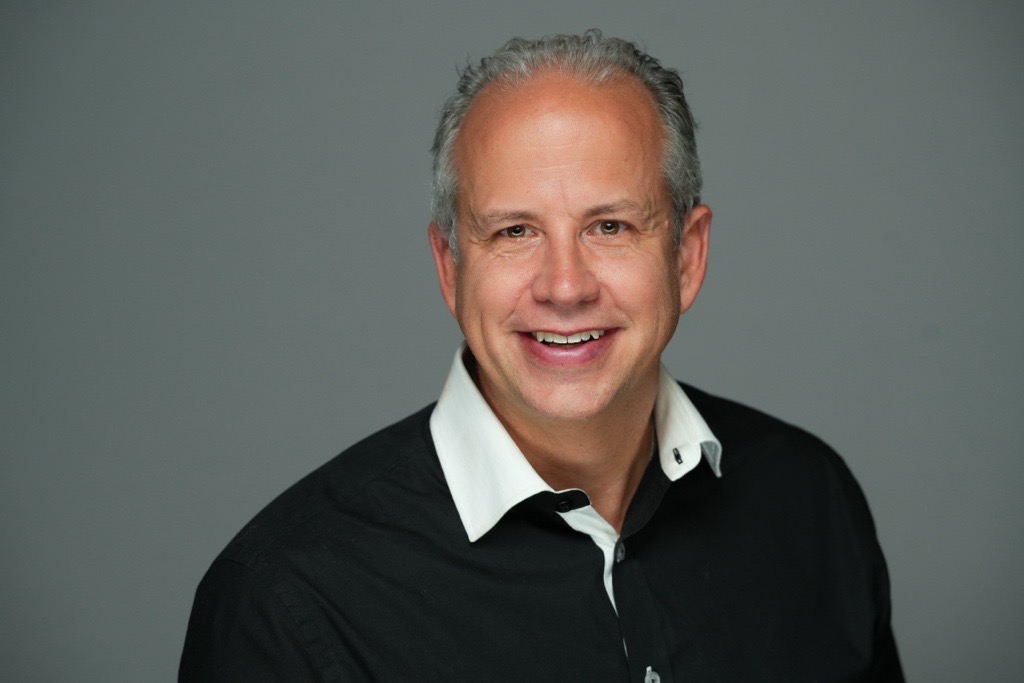
Mike Schoenberger is a storyteller, entrepreneur, and CEO of Sunco Communication and Installation Ltd., where he has spent more than 25 years building a high-growth organization grounded in EOS principles, strong core values, and a people-first approach to leadership. With a background that spans enterprise sales at Manitoba Telecom Services and Delphi Solutions, Mike brings a rare combination of operational discipline and real-world sales experience. His leadership has not only scaled Sunco into a $20M business, but has also proven that culture, connection, and performance can grow side by side.
Through his TEDx talk and his Real Human Connection framework, Mike challenges leaders to slow down, look inward, and lead with authenticity in a world that’s moving faster than ever. A long-time member of the Entrepreneurs' Organization and the Edmonton Executives Association, he continues to invest deeply in the entrepreneurial community through mentorship and leadership. But beyond the titles and the growth, Mike’s message is simple and powerful: when you strip everything else away, the leaders who win are the ones who are willing to be real, to be seen, and to connect on a human level… because in the end, business doesn’t build relationships — people do.