
The Legendary Manager Behind The Tragically Hip with Jake Gold


In this very special episode of The Business Development Podcast, Kelly Kennedy sits down with Jake Gold, one of the most influential architects of Canadian music and the longtime manager behind The Tragically Hip. Jake takes listeners behind the curtain on what a music manager actually does, not as a hype man, but as the CEO of a complex business where touring, deals, team decisions, merchandising, data, and long term career strategy all run through one leader. He shares the moment he first saw The Tragically Hip live and knew instantly they had to be signed, plus how conviction, detail obsession, and a willingness to say no are what separate career building from chasing quick wins.
This conversation is packed with crossover lessons for founders, CEOs, and business developers, especially around standards, positioning, and being relentlessly curious as the market changes. Jake breaks down why the music industry is bigger than ever, why direct to consumer and data matter, and why the barrier to entry being low does not change the one truth that decides everything: you still have to be great. Kelly also acknowledges the human side of legacy, including the grief the country felt around Gord Downie, and Jake shares how he stays grounded and sustainable across decades in a 24/7 industry, while hinting at meaningful plans ahead for what comes next.
Key Takeaways:
1. You will know greatness when you feel it and it is an involuntary response, not a logical checklist.
2. Great careers are built by setting the real bar and realizing what “next level” actually looks like the first time you witness it.
3. A great manager is basically the CEO of the band’s company, overseeing every revenue stream, cost, and decision with the artists as the board.
4. Sustainable performance comes from ruthless time protection: knowing when not to get involved, saying no, and avoiding time wasters.
5. If you do not believe in what you represent, you will eventually get bored and move on, so belief is the fuel of long term excellence.
6. The small stuff is the big stuff: details matter because this is the whole business and you do not get paid unless it works.
7. There is no plan B if you want career level outcomes, and if the artist or founder loses belief, the manager cannot save it.
8. Curiosity is a competitive advantage: keep learning, keep reading, and bring new ideas to the table even when you are the most experienced person in the room.
9. Data and direct fan connection are core now, and the winners will understand audiences, demographics, and DTC relationships better than ever.
10. In a world where anyone can publish, the filter is still the same: you have to be great, the cream rises, and longevity is the real proof.
Connect with Jake Gold and learn more about his work:
The Management Trust (Official Site)
Jake Gold on LinkedIn
https://www.linkedin.com/in/jake-gold-92046030/
If you know you are built for more, you belong in The Catalyst Club. It is a private, high trust community for founders, business developers, and next generation leaders who want real connection, real support, and real momentum.
Join us today: https://www.kellykennedyofficial.com/thecatalystclub
00:00 - Untitled
01:06 - Untitled
01:33 - The Essence of Business Development
05:24 - The Journey of Jake Gold: From the Beginning to Canadian Music Icon
09:18 - The Evolution of the Music Industry
15:26 - The Evolving Role of Music Managers
22:43 - Embracing the Entrepreneurial Mindset
27:22 - Identifying Greatness in Music
33:32 - The Importance of Belief in Business
40:10 - The Role of Music in Our Lives
44:49 - The Future of Canadian Music
46:08 - The Evolution of Music Management
51:25 - Reflections on Loss and Friendship
The Legendary Manager Behind The Tragically Hip with Jake Gold
Jake Gold: First notes, Gord Downey opens his mouth. The band kicks in and we look at each other and I'm like. We gotta sign these guys like tonight.
Intro: The Great Mark Cuban once said, business happens over years and years. Value is measured in the total upside of a business relationship, not by how much you squeezed out in any one deal.
And we couldn't agree more. This is the Business Development podcast based in Edmonton, Alberta, Canada. In broadcasting to the world, you'll get expert business development advice, tips, and experiences, and you'll hear interviews with business owners, CEOs. And business development reps. You'll get actionable advice on how to grow business, brought to you by Capital Business Development Capitalbd.ca.
Let's do it. Welcome to the The Business Development Podcast, and now your expert host. Kelly Kennedy.
Kelly Kennedy: Hello. Welcome to Milestone episode 299 of the Business Development Podcast, and today it is my absolute pleasure to bring you Jake Gold. Jake is one of the most influential figures of Canadian music history as the founder and CEO of The Management Trust. He has spent more than four decades discovering, developing, and championing talent at the highest levels. From helping transform The Tragically Hip into a national culture icon, to shaping the careers of artists like The Pursuit of Happiness and Big Wreck to managing award-winning producers and the next generation of rising stars.
Jake's fingerprints are on some of the most important music history in this country. Many Canadians also know him from his sixth season run as a judge on Canadian Idol, but behind the scenes he's been equally impactful serving on the boards of sema. MMF and connect music as well as Resound shaping policy advocacy and the business of music itself with a hall of fame career, a rare instinct for talent and a legacy that continues to influence culture across generations.
Jake Gold stands as one of the true architects of Canadian music. His vision, his strategy, and his ability to build careers that stand the test of time have made him a defining force in this country's creative landscape. Jake, what an honor and a privilege to have you on the show today.
Jake Gold: I don't know if there's anything more to talk about, Kelly.
Uh, that was quite an intro. Uh, I'll say that. Yeah. The Management Trust, I wanna just clarify, was founded by myself and my, uh, then partner Allan Gregg. Who I'm still very close friends with, so we'll have to just make sure that we understand that we co-founded the company together in, in 1986, although I started managing in 1981.
So we met in late 85 and we decided to okay. Get into business. But we can get into that at some point. But yeah. But, uh, thanks. Well, that was beautiful, episode 2 99. So we're crossing the threshold now. We're almost 300, so there you go.
Kelly Kennedy: You know what's really cool too, Jake, is that, uh, we're gonna be releasing this right before the new year, so this is just an inspirational, exciting episode into something that.
Many of us never get to peek behind the curtains, right? We see the stage, we see the front men, we see the amazing rock shows, but we don't see what it takes to make it all happen. And so for me, and, and you know, many of our business and CEO listeners, understanding the leadership that goes behind running, you know, a band like The Tragically Hip is really exciting.
And as a, as a huge rock fan myself, my playlist is hair metal, so I'm pretty consistently li listening to band from, uh, from the eighties. Like I said, for me this is an honor and a privilege and I'm excited to just learn more about you today. Okay, well let's get into it. So I always like to just kind of go back to the beginning.
Obviously, 45 year career in the music industry. Like for goodness sakes, dude, that's gotta be like most of your life. Walk me through it. Uh, take me back to 1981.
Jake Gold: So I actually it's a funny story, you know. So I, I started managing my first band in 81. They were called The Purple Hearts, and it was a friend of mine was the drummer.
I had dabbled in, uh, working with bands. I was like a lighting guy and like helping out friends bands. Been on the road a bit with one of my friends' bands. But when I, I was living in LA from like 79 to 81, and. I came back to Canada in, uh, around, uh, spring of 81 and my friend had this band and they were called the they were called Hot Tip.
They used to be called the numbers. And then they had to change their name. And anyways, he said, you should be our lighting guy and our tour manager. And this was a childhood friend. He was the drummer in the band. And the band ended up breaking up before they went on the road. And so they ended up reforming like a couple of months later they got a new guitar player and the same friend came to me and he said, you should be our manager.
And I said, well, I don't know anything about it. He goes, don't worry, you'll be good. And I was like. Alright, I guess I'll do that. 'cause I really wasn't doing anything else. I had, finished high school, did a half a year at college and I was bored and I was like, okay, let's do that. And uh, and that's all I've done since.
So I guess he was the first to kind of discover talent 'cause he kind of discovered me, you know, when I was inducted into the MMF Hall of Fame in 2013. You know, they, they gave you tickets that you could have for friends and family for the event, and I invited him and his wife to that thing. Wow.
And I, in my acceptance speech, I, I pointed him out and I said, this guy right here, he's sitting right here. He was the guy that gave me my first shot. So his name's Coleman York, so I'll never forget. And we're still friends to this day. Like, we still get together and go out for dinner and things like that.
Wow. Yeah. Yeah, and this is someone I've known since I was in grade six or seven, so.
Kelly Kennedy: Wow. Wow. What a full circle moment. Hey, it must have, like, on the other hand, to see somebody of your success up on that stage and know that, know that you played a role in that, that you, you made that pick, that must feel pretty good on his part too.
Jake Gold: Yeah, I mean, he, he left the business, uh, he stopped drumming and he went into other things and he's been quite successful in his, in his life. But but it's, it's interesting. We, you know, we have this relationship that there's this connection that's gone on for so many years now, like, so we're, we're 44 years.
Next year I'll be 45, right? So I'm 67 now, so I'll be 68 in, uh, in April. Okay. You say most of my life, yeah. About two thirds of it.
Kelly Kennedy: Okay. Yeah. Yeah. But once again, with that level of time, 45 years into the industry, it's like, of course, of course you're, you're leading the charge here in the Canadian music industry like.
You can't spend that much time perfecting your craft and not just become the best at it on some level. And I'm, I'm very excited, like I said, to just dive into that with you because, you know, we've talked to CEOs of Fortune 500 companies. We've had people from all areas of business. Mm-hmm. But the music industry is one area that we just simply have not explored in 300 episodes of the show.
And I think, is it because Jake, the music industry is actually incredibly small. Is it very small and tight knit or is that maybe just because we have an outside perspective of it?
Jake Gold: Oh, I, I think it's really large. It's a global business and the barrier to entry compared to when I started is like zero today.
Like anybody can record something on their laptop. And in moments, put it up on online and you've released your music. You know, when I started you had to go into a studio. You had to use tape to record. There was no digital, there was no programs on, there weren't even laptops, let alone the internet. You had to actually make an investment and spend money and get really good in order to put your music out.
So I think the, the music business and the global music business is bigger than ever, though the live music business is bigger than ever. You know, you also have to realize that there's just more people, you know, when you think about the live music business and the people that consumed music, and you look at like the sixties, you know, I was born in the late fifties.
I started listening to music. You know, my first concert when I was six, I went to see the Beatles. They, you know, they played 30 minutes. I don't remember any of it. At Maple Leaf Garden in Toronto, um. But there was a small group of people that went to let's refer to it as popular music at the time.
Shows like rock music. There was a small group of people in the seventies. That group grew in the eighties. It grew even bigger and bigger and bigger and bigger. Here we are 2025 and now grandparents and grandkids. Are going to the same shows, right? So there's, yes, it's, it's multi-generational now. So of course the business is gonna get way bigger.
And that's why you're seeing, you know, you talk about Fortune 500 companies, that's why you're seeing, music, uh, royalties and music assets is now an asset class that you're seeing VCs pouring money into. You're seeing big business. It wasn't big business. All the, the record companies at one point were publicly traded before that.
No one took them seriously. You know, Universal Music mm-hmm. Is part of Bendy. They're publicly traded. Live Nation is publicly traded. Like all these companies that were like individual entrepreneurs have now been rolled up and they're all publicly traded. So to say it's small, I think is, is wrong.
I think that it, if anything, it's bigger than ever and it drives, it drives revenue beyond just in itself, especially on the live side. You know, when Taylor Swift comes to Toronto and does six nights. Yeah, there's 240,000 people that went to the show and let's say an average ticket price of, $200.
So you got a $50 million gross on those shows. But compare that to the economic impact of all those people coming to those shows and people flying in and hotels. Yeah, and restaurants and bars. And only recently, live Nation just did a big study. On a global study, on a country by country basis, on the economic impact of the live music sector.
And it's astounding what that does. Yeah. So, people are taking music um, um, bigger than ever and taking it more seriously than ever in, in that way. And we're just a small part of it,
in that way.
Kelly Kennedy: Sure. I suppose what I was maybe trying to allude to, I agree completely.
Um, and actually as somebody who's in pretty tight with the Edmonton Destination Hotels group I agree with you because actually that's what they look at. Who can we get to come to the city for the economic impact? Yeah. Far beyond the ticket sales. Right in complete agreement, like entire cities are planning city budgets around who's coming to our city.
Jake Gold: I think, I think what you're referring to, Kelly, is that nobody knows really knows what happens. You know, to your point off the top, what happens? Behind the stage, like the backstage is always been. That kind of what happens backstage. I gotta tell you what happens backstage, not much. You know, like people are resting and eating and resting and eating.
You know, it's uh, it's not like it was in the seventies and eighties, that's for sure.
Kelly Kennedy: My first introduction to music management was in Get him to the Greek.
Jake Gold: Yeah, exactly. Yeah, exactly. That's when he was in Vegas and they Yeah. And all that. And managers over the years have had really different roles.
We've had really different roles. And now more than ever, it's more important to have a really good manager because so much of what we can do today, we can do on our own. We don't need. Record companies as much as we used to. We don't, they, they still serve a part in what they do.
But a manager that really understands data, that really understands, fan involvement. You know, there's way more fan to, uh, uh, D two C stuff going on now than ever before. You know, direct to consumer stuff from the bands. Although I started doing it in the nineties, it was novel then. Now everyone talks about it as this new thing.
It's like, yeah, it's, it's 30 years old for me, you know, communicating with the fans. What a concept, knowing your customer, you know? But it was novel then. I mean, I remember I was building out mailing lists and fan clubs and stuff with the hip in 2001 and 2002, and the record companies didn't, weren't, didn't even care about the data.
They just wanted to sell the record. And they were like, no, you can have all the names and you can have all the data. And I was like, great. You're gonna pay for me to get all the data. I'll take it. But now, now they want it all, they want all the data. Absolutely. You know, so that, that, that's, the business has changed a lot in that way.
In a lot of ways. It hasn't too.
Kelly Kennedy: Can you lead us into what. What a music manager actually does. What is the real job behind the scenes? I've heard you refer to it as the CEO of essentially the company that is the band. What is the job of a music manager?
Jake Gold: I mean, I, I say it that way because it's the only way for maybe even your audience to really understand it.
I am running everything. So, uh, the kind of the buck stops with me, whether it's tour personnel, whether it's record company, whether it's a publishing company, whether it's um, third party sponsorships, whether it's merchandise, whether it's any of that kind of stuff. Everything runs through me.
And then I take those things to the band and we discuss and we make our decisions on whether we're gonna do something or we're not. There's a lot of things I get a lot of leeway with, where the band is like, yeah, you'll know what's good for us and what isn't. And that's the relationship that you build over time, right?
Where you, you get to know what they wanna do and what they don't wanna do, and then your job is to advise and counsel them on, here's an opportunity, here's the upside, here's the downside. No different than a CEO going to the board of directors, the artists, whether it's a group or an individual.
They're the board of directors of the company. It's their company, it's their business. As a manager, because I manage multiple acts, I'm managing multiple boards of directors and I'm the CEO of various different companies. Mm-hmm. So I think that's how you have to look at it. Yeah. So to say what, what I do is is a lot of things.
You know, my inbox is full. I'm making calls, I'm doing global touring things. It's like, it's all of that stuff. So to be able to just sort of pinpoint it as to the one job, really, I'm overseeing a business, and the business has many sources of revenue and many costs involved in it. So you're, you're overseeing all of those things.
Now. You work with lawyers, you work with. Business managers slash accountants. When you're planning, when you're planning, uh, touring, when you're planning if I'm in the middle of a renegotiation, I'm gonna sit down with the lawyer and I'm gonna sit down with the accountant and say, okay, what are these, what does this actually mean when we're going in to try and renegotiate a deal or something like that.
So we're doing, you know, we're doing financial assessments. On all of it, but at the end of the day, the job is to make the, make the client money. Like that's the job.
Kelly Kennedy: Yeah. I see so many leaders, especially leaders, you know, in your position where you're executing at such a high level, such a high time management, uh, level where especially nowadays and you know, I mean in, in a lot of ways, you've probably been doing this for way long before it was cool.
I think most people during COVID. Got the experience of essentially working from a home office for the very first time. I do imagine that in the music industry, you guys have been operating that way for a very long time. How do you not run into a wall and experience severe burnout?
Because I'm seeing that with leaders around the world these days is that we're working in a lot of ways harder than ever. Many are working from home. We're in a society where, everything is vying for your attention. How have you been able to sustain this for 45 years at such a high level managing multiple high performance acts and, and seem to do it, and still be here and, and be just fine?
I would love to, uh, better understand how you've been able to sustain yourself.
Jake Gold: That's an assumption, Kelly. But first of all, sure. I actually had, I had offices and I had staff in the offices for many, many years. Only in the last 10 years have I actually set up in my place where I live. But I happen to have a great setup.
And if I didn't have a place like where I am now, I couldn't do it because I'm very diligent about work. So I have a two story loft in downtown Toronto. The first level is the office, the upper level is where I live. It's a big, it's not like I'm. Cramped in or anything? Um, yeah. So if someone came to visit me and they came in, they'd think they were in my office.
And I treat my office, okay, like, I'm going to work, right? So I sit down at my desk every morning at 10 o'clock. Do I work? Before then, yeah, I'm up at 6 30, 7 o'clock every morning. I'm answering emails, I'm getting things started, getting things going. Not making any calls, but sometimes, you know, I'm on a call with, uh, someone from Europe, so I need to be on the phone or on a Zoom or something like this at 8:30.
I think what COVID taught us is that we could do it, and uh, it allowed us to actually. Do this. I, now, I don't have to get on the phone with some guy in Holland. I can get on a Zoom, have a face to face with them and discuss potential deals. And I've done that many times. And I don't have to go to Holland to have that meeting where before I'd have to, yeah.
So now I can do it like this. Yeah. And I think what COVID did is it, it told everyone, oh, you can do it this way. So tho, tho those were sort of the silver linings that came out of it. Totally. So I, I think that and I'm really good at compartmentalizing things and time management.
Like I know when, when not to get. That's probably the biggest lesson I learned over the years is when not to get involved in something and knowing how to recognize something that's just gonna be a time waster and not to do it. So I say no a lot more than I used to. And I just, I'm diligent and plus I jokingly say I don't work because it, for me, it's, it's what I do, it's part of my lifestyle and so I don't see it as work. I don't like, oh, I have to go to work. Mm-hmm. I don't see it that way. Mm-hmm. It's a different mentality and, and because it's a 24 7 business. Especially when an acts on, on tour you really have to spend a lot of time being available.
You know, I do have boundaries with clients. If it's not an emergency or urgent and I don't respond over the weekend, it's 'cause I don't respond over the weekend. And sometimes you have to train. Your clients to understand that, that, you know, your emergency is not a, an emergency. You may think it is. Plus you're dealing with creatives and I think when you're dealing with creatives, you have to understand that, they can get the muse at 2:00 AM and they want to tell you about it at 7:00 AM the next morning.
So you have to bAllance that too. But yeah, I don't, I don't.
I don't know if I've ever had burnout. It's probably cost me relationships, like on a personal side. But I made that choice. So I don't have kids either, so I love that it's, it probably a little easier.
Kelly Kennedy: Right. Okay. Yeah. Yeah. I, I love that you said I, I made that choice because I think maybe a lot of people in leadership roles, they don't acknowledge the fact that they did choose to do it.
Mm-hmm. They did choose to take that position. They chose to run that company or start that company. And a big part of, I think. A big part I think of ownership of that and feeling good about that decision and not ending up in a place where you're really down about it is recognizing that at the end of the day, it was your decision and your choice, and you can still choose to do something else whenever you so desire.
Mm-hmm. I think a lot of people don't take ownership necessarily in that way, so I I love that you touched on that. I chose this life.
Jake Gold: Yeah. And I don't, I actually don't have regrets. I, uh, I don't live that way. Like I, I like my favorite saying is no rear view mirror. And I think that's being an entrepreneur, entrepreneurs, wanna always figure out what's the next thing.
And I probably, you know, I probably could sit back and tap pat myself on the back for all the things I've done over the years, but I don't. You know, I, I, I'm always thinking about what am I gonna do next? What, what can I do next that's gonna be cool and it's gonna make my clients money and it's gonna be fun and, you know, all of that stuff. Right so.
Kelly Kennedy: You have, I think, probably one of the coolest jobs on planet Earth. I'm sure it has its moments, but I can't see anybody staying in something for 45 years if they didn't Absolutely love it. Would you say that your passion for music has stayed steady? Has declined or, or maybe has grown in your time in the music industry?
Jake Gold: I always love music. I listen to it. I'm in the car. I'm here, I'm listening to my client's new music. I go back to the stuff that made me get into music in the first place. My favorite stuff, like my, I'm a pro rock guy from the seventies, so I listened to that. There are people that I've met.
Like I was, where was I? I was at an event recently and someone said, yeah, I tried to be a manager for a while. And they said, I don't know why you do that. And they were like I couldn't do it. So it's not for everybody. And I actually think I'm unemployable. Like I don't see myself working. I do that a lot.
I don't see myself working for somebody. I just could, I don't think I could do it right. But also I think the greatest artists in the world. Are unemployable, and that's why they're artists. Could you see Bob Dylan or Neil Young? Yeah. Or Gordon Downey, or like any of these great artists. Could you see any of them have a job?
No. No. Right. So I think we all sort of fit into that same world of like, an A great artist is an entrepreneur in itself because they're making great art. Whether you're a painter or. Or a sculptor or an actor or a director, you know, a filmmaker or, or a, a music artist. So I think that we're all entrepreneurs in that way and my job is to take their art and make it great.
And expose it And exploit it, yeah. To their liking. But I, I don't think I could go work for somebody. Yeah, I think I may have tried that, but I don't think it lasted very long.
Kelly Kennedy: Yeah. And I hear that all the time from leaders. Yeah. Yeah. There's so many leaders who come on this show and are like, I am completely unemployable.
There's no way anybody would hire me. So it's so common that I hear that from high level or high performers such as yourself. That's amazing. Right. I guess one of the things that your legendary for, that you're very known for is your ability to just, you know, spot. Not just spot and identify, but then build that talent into something that's absolutely incredible.
I would love to maybe just understand a little bit about. How you've been able to do that. Like, I guess it's innate to who you are. It's part of your skillset. The fact that you've essentially managed the Tragically Hip since they were a band to manage, um, and took them all the way to today.
Is absolutely incredible. Were you able to see who they would be in the beginning? Like, and I get that, like when I look at companies and sometimes I'll ask them, did you see what your company was gonna become, the impact you were gonna have in the world? And many times they tell me, they say no. But I believed we could.
I believed we could. I couldn't see what was going to happen. I didn't, I wasn't completely sure, but I had an idea. Is that what it feels like when you're identifying bands for the first time? I'd love to maybe just know what were your initial thoughts the first time that you saw the Tragically Hip?
So, Allan Gregg and
Jake Gold: I had been given a, a cassette tape and this story's covered in the, in the No Dress Rehearsal doc series that, that's on, on, on Amazon Prime.
Um, amazing documentary by the way. Incredible. Yeah. Mike, Mike did, Mike Downey did a great job directing and producing that. Uh.
Uh, Allan and I had received a cassette. We liked what we heard, it was raw,
and we were like, let's set up a gig. And,
First notes Gord Downey opens his mouth, the band kicks in, and we look at each other and I'm like, we gotta sign these guys like tonight.
And
You can say, you know. You can say you, you've seen it until you see it. And when you see it for the first time is
when you go, oh, that's the bar.
This is how good you have to be. Because I had been a manager for five years already, and I had signed acts, I had acts signed to RCA and I, you know, I had managed different bands over the years and I thought I knew what the bar was.
I thought I knew what, what great was until I saw that
and then
I was like, oh, okay. And I can't
say it's innate.
But what I can say and you probably have experienced this yourself, Kelly, is that for me it was always this involuntary response that happens when you see greatness and it's not mm-hmm.
Something you're conscious of. It just happens. You feel it in your body, right? You feel it. You're like, whoa. What's happening to me here? Something just affected me and it's yes, and it's very true. It's no different than the first time. Maybe you heard your favorite band and it made you go, made you feel something that you did feel before you heard it.
And I think that's, that became the litmus test for me. Like when I was on, when I was on um, uh, Canadian Idol, people would say to me, how do you know? And I said, you know, when, you know, and that was always the judge for me. Yeah. Is this making me feel something that I didn't feel before I, before they came in the room?
And so I, that became sort of my judgment at that point. It's like, oh, now I understand what this thing is. I had been managing for five years, like I said and I had never actually felt that before. I was just looking at talent and seeing what I could do with it and hustling and doing my thing.
But when I saw that, I was like, okay, this is serious. This is next level. And a and I, I, you know, Allan, Allan came from a research and marketing background. A lot of the early stuff we were doing, a lot of it came from his ideas of positioning. You know, 'cause he, he had worked with politicians and, you know, he likes to say, you know, his job was to help politicians find their voice.
And we applied some of the same tactics to bands because it was all about reaching the public. So it was a way, like, how do we position this? How do we do this? And we identified certain things, especially with the hip about them early. We knew were going to be the way to kind of reach the public and a lot of it went against the grain.
A lot of the stuff we would come to the record company with our ideas and they would think we were crazy because no one had ever said these kind of things to them. And uh, and it ended up paying off and they would afterwards, they'd be like, wow, you guys were really right on that. Yeah. 'cause we knew what we had.
We always mm-hmm. Took a different road, but I would definitely credit Allan in the beginning with, with providing a lot of counsel, which is why we became partners, you know, because he had a very strategic mind. And I was the guy that could get shit done over time. Yeah. Um, and he says this all the time to me, he says, you know, you're.
You're the fastest learner I ever met. 'cause I remember he would, like, I wasn't really into wine. I wasn't, and he, we would go out and we would drink wine. He would tell me about wine and then, you know, six months later, I know more about wine than he knew about it. And he would like, what? Ha I said, well, I'm getting into it.
You know, so you, you have that, you have that obsessive personality too. Hey I, you know what it is? I'm an ainley Curious. I think that's also really important if you're gonna be an entrepreneur. Okay. Because you have to be, you have to be curious all the time. Like I am the sponge for information. I just wanna know, like I'm 67 and I'm teaching 20 year olds.
Tech stuff that I'm reading about. Like I, you know, I do these meetings, I do meetings with, with the record company every two weeks with, with, uh, about the hip. And I'm always bringing things to the table that, that these young people in the, in the room have never heard of. And it's because I'm constantly reading.
I'm constantly learning, so to say, you know. You said earlier, you know, I have all this knowledge and all this other stuff. The fact is, is I'm always learning and fact is, is I always wanna learn Yes. Um, all the time. Yeah. And so how, look, what are other people doing? How is this working? How can we make that work for me?
You know, how can we work that, make that work for my clients? I think that's a big part of being an entrepreneur is you have to be curious. If you stop being curious, you stop growing.
Kelly Kennedy: Yes. Yes. Yes, I think too, and, and I just wanted to kind of mention as well, in business development, one of the greatest assets that you can have is when you're working with a product that you can absolutely 100% get behind.
I always tell people that if you don't believe in your products or your services, you're in the wrong industry. And I wonder just kind of based on our conversations when you said that I saw greatness. When I saw them play for the first time I hadn't recognized it before then. I saw greatness.
At that moment, you believed, and I wonder how much your belief in that greatness helped you scale that band to be, I would say the number one recognized Canadian band of all time.
Jake Gold: Well, especially me,
because I can't say that for every manager, but I can't work with a, an act that I don't have that belief in.
There are a lot of management companies that just take on a whole pile of acts and they, some of them are, are gonna be big, maybe not a lot of mid-level, and they're just acting like an agency almost, where they're just like generating revenue. But it's not really this sort of holistic career management thing.
That's why I don't have a ton of bands, because that's not what I do. My, uh, yeah, my philosophy is you go all in. I was talking to a guy the other day at the club where I played tennis and he's, he's quite an entrepreneur and uh, and we were, we were talking about, um, little things and I said to him, I said, you know, a lot of people say don't sweat the small stuff.
I say to him, and I said, you know, but I think it's all about the small stuff. And he said, you're absolutely right. He goes, you have to look after details. And I'm a detail guy. And I think what happens not only happens because you really believe in it and you want it all to be perfect. Now perfect is a tough word because there are a lot of people Yes.
We'll say, you know, you alienate people when you become a perfectionist, but it's like, Hey, this is all we got. And that's the other thing is like I, I'm a defender. Because most of the people I deal with outside of the group get a paycheck on Fridays, and I don't get a paycheck on Fridays.
And either does the guys in the band. That's right. And so, so, yeah. Yeah. They can. There are people that can accuse me of being micromanaging and perfectionist and all this other stuff. It says, yeah, 'cause this is all we got. Like this is our thing. So it's gotta be according to our rules, not your rules.
And so the belief yes. I can't do it unless I have that belief, because otherwise I'll get bored and I'll move on. And the other thing is mm-hmm.
Kelly Kennedy: It, it's the thing that keeps you invested.
Jake Gold: But the other thing is, I've taken on acts over the years and they lose the belief no matter how much I believe.
And I've had to sit them down and I'm like, I'm taking a commission, but you get most of the money. Why should I believe more in what you are doing than you when you own the business? And if they start to lose the belief, then I can't do anything. Then I'm out. Because I can't, I can't do it. I can't work with them if they're not, all in, so I always like to say there's no plan B in this.
Kelly Kennedy: We're talking about artists, but that exact same thing applies to Fortune 500 companies, right? If the CEOs and the leadership lose belief in the company, the company's toast. There's nothing that anybody supporting them can do.
Jake Gold: Yeah. Yeah. It was funny 'cause I, I, I watched Dragons Den just 'cause I like to see.
Some of these ideas and entrepreneurs and it's a fun, it's a fun thing. I know most of those deals never get done. Like they never 96% of them don't close. Um, but it's always interesting to see the responses. And um, and it's funny how, how many times, the entrepreneurs are pitching something and they, they have an idea and they have a business.
But they actually have this other job because they're not all in and some of the dragons are like, Hey, you're not all in. Why do you expect me to be in if you're not all in? Yep. Yep. There's also a lot of, a lot of contradictions. Some of the people say, I'm all in and you're investing in me.
And they're like, well, I'm wanna invest in the product. It's like, you know. I, I, I, I, I think that, uh, but it's an interesting for me it's an interesting sort of case study to watch how people, um, see themselves, how, how the investors, the dragons, whatever they wanna call treat the investment.
The difference between what I do and a product is. We're making art. And art has a visceral reaction. And if I buy a new pair of shoes, I may get a visceral reaction the day they arrive and the first time I put them on. But after that it's kind of over,
right? Sure. But when you are working with artists and you're
selling, and I even hate to use the term
selling.
When you're putting art out into the public, that has the ability to make people feel something for a long time over and over again. So I take that part very seriously and it's not a product per se to me. In fact I refuse to allow people to refer to my client's names. Their thing as a brand, well, that's your brand.
And I'm like we're not a product. We make art
and we make art for public consumption, but don't call us a product because most products get used up and disposed
- This doesn't. It's a very different thing and you know, this Live Nation study I referenced before they said that one of the things that came out of it is music is the number one thing that people do for entertainment.
More than movies, more than games, more than anything else, is music. You're moving people, you're affecting people, you're creating relationships with people. You know, people share their music with each other. They, you know, you go onto any of this, the social media platforms, there's always music playing with every one of those posts.
People are putting music in the background. Can you imagine a film, watching a film with no music? Take away all the music from the film. Right. It would be horrible. Right. So, so it's a part of our everyday lives. It's everything we do. We get into an elevator. We go into a bank, we go into a hotel, there's music playing.
We go into a restaurant, we go into a bar. There's music playing. You go to a sporting event, there's music playing all the time. So it's not a product, it's art that creates emotional response, and that's a very, that you have to take that seriously and have fun.
Kelly Kennedy: Yes. Yes. It's timeless, right?
Like music is absolutely timeless. You mentioned, you know, you mentioned. The grandparents taking their kids. Um, I took my kids a year ago to Kiss. Mm-hmm. Um, they were on their final tour and they were coming through Edmonton and I just wanted them to experience Kiss. The funny thing is, Jake, you were talking about how you, you fell asleep probably as a kid at six at the Beatles.
My kids fell asleep at a KISS concert. Shoot while they're shooting fireworks and pyrotechnics on the stage. I have no idea how they did.
Jake Gold: No, I didn't. I didn't, I didn't fall asleep at the Beatles. It's just, it was all, remember there were no PA systems really? They used the house PA that they would make, you know, goal scored by announcements.
So like you didn't hear them because of all the screaming, right? You didn't hear them, that was one of the reasons. Yeah. But that was one of the reasons why the, the Beatles stopped touring is because the technology for the live shows hadn't caught up with what they could do in the studio. And so they couldn't recreate their records.
They couldn't do what they put on records. And that's one of the reasons they stopped touring, is that they didn't have the equipment to, to overpower the noise of the audience.
Kelly Kennedy: Too much success. Hey, people love them just too much.
Jake Gold: Yeah. Yeah. That's a horrible thing, right? Yeah.
But horrible thing, but interesting, interesting, interesting.
You, you say about, about timeless. One of the things I say to my clients today is that, you know, because of the streaming platforms, everything you've put out over your whole career. Is new to somebody. And so instead of, instead of saying, I already made that record. I don't need to really talk about that record.
I don't need to push that record. It's like, if you wanna continue to have new fans, you know, the new 19-year-old, come and listen to your music. Those people, the first time a 19-year-old hears up to here by the Tragically Hip, that's a new record to them. That's a brand new experience for them. So you have to recognize that and the barrier for them to be able to experience that is so low now than it used to be.
You know, if you think a band like the Hip have 15, 16 records out, if you can count the live records and more if you count all the box sets and everything, but if you would expect in the old days. Old days, a record store to, to carry every one of those records in CD and vinyl and multiple copies, that would never happen because they couldn't do it.
Mm-hmm. They don't have the space and they wouldn't wanna have that exposure of having to carry that many records. So what would they carry? They'd carry the top five or the top six albums maybe, if you're lucky. Yes.
Well, today a young fan. Yeah. Can sample,
whether it's on a streaming platform or YouTube.
They can sample anything they want and decide then if they wanna be a fan. And then if they wanna buy a vinyl as a collector's item or a cd or whatever, they can do that. 'cause we still sell vinyl, we still sell CDs, if you can believe that. Especially the CDs. Yeah. Um, yeah. And so, so everything old is new.
To somebody, in the last year 2024, we saw the HIPS audience. A third of it now is under the age of 34. 2024 was the 40th anniversary of the band. So there are people that have become fans of the band that never saw the band. Next year will be 10 years since the final tour.
So there's a huge, wow that's insane. Audience that never actually saw them play live. Because they're discovering this music for the first time. The same way, kids were discovering Led Zeppelin and The Beatles and Jimi Hendrix. To this day, that's still happening. That's why I think it, it's the greatest time for music in that way where bands and artists have an opportunity.
To grow their audience because there's this demand for it.
Kelly Kennedy: Well, I think that's a great segue into, you know, what does the future of Canadian music look like? When I look back, for instance, at my favorite eras, I'm a child of the nineties and two thousands. I'm a millennial. I love eighties rock.
I love, you know, Kiss, I love, uh, Guns and Roses. I love, uh. Big Wreck, which is a band you managed. I love The Tragically Hip. Like I, I love these bands and I don't know, like every person getting older, we have our eras we love, I find myself going back to nineties and, and uh, eighties bands all the time when I'm listening to my music.
But, um, that's your comfort zone. That's right. It's my comfort zone. Yeah. You mentioned before there was a bit of a barrier to entry to music once upon a time, and you really needed those managers to get out there and, and find you investors, find you ways to get your records on air and get you deals with Universal or whatever else.
In some ways, wouldn't that have been a better system because now we're dealing with everybody and their dog can get their music on Spotify. And now you're having to sift through so much more music than you ever would've had to before to find those big acts. What does music management look like in 2026 and beyond in, in the future, in your foreseeable future?
Jake Gold: There's the management side, but let's just look at
The economics of it. The idea that there's so much more out there
Goes without saying. But what hasn't changed, and it hasn't changed over the years, is you gotta be fucking great. You gotta be better than great to cut through.
Love it. And you know that expression, the cream rises to the top. And that's where you gotta be. Yeah. And so, is there's always gonna be the one hit wonders, which there were back then too. There were lots of one hit wonders. Yeah. Band had one song, nothing ever happened after that. And then you have career acts, and that's what I'm interested in.
And so I don't depend on one hit. I look at it as an overall organic kind of thing.
So you still have to be fucking great. And if you're not fucking great, it won't matter.
So as much as. The stuff is out there. The fans at the end of the day are the ones that are making the decision. And if someone like you finds something you really love, you're gonna tell someone about it 'cause you feel like you wanna share this great thing that you found, right?
Yes. So I don't, I also don't look at it as, as Canadian music per se, because because of the streaming platforms. Their global reach, reach. Now, I don't have to worry about getting my record out in Holland or getting my record out in the uk. My record's out, it's out around the world now. It's about how do I market it, how do I reach those fans?
So that's another story. So data is important today. And the, the other thing is the streaming platforms give you all this data. Like you don't see it. You can see how many plays the song gets, but I get other data, I get background, I get, I get granular data. Okay? I get granular data from all the streaming platforms on where we're getting things and where we're seeing things and who they are and the demographics of them and everything else.
And I can market accordingly to those people and because. The, uh, a lot of the social platforms allow a lot more targeted marketing, you know, including YouTube. 'Cause I, I YouTube's one of those where it's not really social, but it is kind of social. Do you know what I mean? Because there is, you know, people can comment and share and everything else, right?
But it's not in the same way. And it actually is the biggest streaming platform in the world. Like people don't realize that, a lot of the world, they listen to music on YouTube. They're not paying for Spotify or Apple or Amazon music or you know, title and all the rest of them, they're not paying for it.
They're listening on YouTube 'cause it's free. Anybody can listen to it. And it's become a great video platform. It's become an amazing platform to put videos and long form things on too today, right? Yes. But you still have to be great. You still have to have something that people are gonna wanna tell their friends about.
We used to have, um, you know, before you would go to radio, and radio would play your record and you'd move yourself up the charts based on how many spins you'd get across the country and things like that. But if it never sold, then we would, it would, we would refer to it as a turntable hit. Okay. Which meant it got a lot of airplay, but the fans never actually reacted to it.
Yes. You know, it sounded good on the radio and every, but no one ever felt the need to go out and buy it. And so that, that was a really good indicator on whether you had something.
Kelly Kennedy: Talent is what you're saying.
Jake Gold: Yeah. Yeah. Like greatness is greatness. Greatness is greatness. And, and you know, the, the shitty stuff falls by the wayside.
It won't last. So that was always my thing is like someone would say, oh, did you hear about this new act and blah, blah, blah. I said, talk to me in five years. If we're still talking about them in five years, then we got something to talk about. And this wasn't dismissing it. Yeah. But it, for me it was always, the jury's still out right.
I remember when, um, when I was doing Idol and Justin Bieber was this big thing. He was starting to blow up and because I was on tv, the, the media would wanna interview me about music and things like that. And um, and they would say, what do you think about this Justin Bieber guy? I said, look, great.
He's got a great voice, right? He's off to a great start and I guess we'll have to see in five years what's gonna happen with him. And that was always my thing. And it wasn't that I didn't think he was good. It was that was he gonna last? Yeah. And now he's proven that he is gonna last. But there's plenty that didn't.
Yes. There's plenty that didn't. Yeah. So I think, I think that's how you have to look at it. Yeah, there's more. But the cream rises to the top.
Kelly Kennedy: Yes. Greatness is greatness. I love that. It's like, that might be one of my favorite sayings ever. Now you can use it. You can use it.
Jake, uh, this has been absolutely incredible. I just, you know, I wanna be respectful of your time. We're closing in on our hour. I guess the only thing that I would maybe like to just acknowledge before we wrap up today would be that, um. You know, with, with the loss of Gore Downey, you didn't just, you know, run into a challenge with the band.
You lost a 40 year friend. Mm-hmm. And, uh, all I wanted to do was publicly acknowledge for you that, uh, I'm very sorry for your loss. You know, obviously the band suffered a massive pain from that, but. I don't think everybody realized how much pain you must have suffered as well being such a close friend to him.
And so I just wanted to maybe mention as well that, um, I'm very sorry for your loss of, of a very good and longtime friend.
Jake Gold: I appreciate that. We, we, I do wanna point out and it's covered in the documentary.
I managed the band from 1986 till 2003. Allan, uh, was my partner for that whole time, but he stopped working with me on the band in 94. He decided to step away and then the band and I split. And so while I stayed, I managed Gord on his solo records post the split. I still managed him for the first two solo records. But then, um, I didn't, I didn't work with them for a number of years and I didn't work with them on the final tour.
That, that was somebody else. And, uh, but I stayed in touch with them and I stayed in touch with Gord on a regular basis all the time. Yes. Um, and so I, I wasn't immersed in it when all of that was going down. I was sort of one step removed. But I managed to, uh, to go out. When they did the final tour, I flew out to Vancouver and they started in Victoria and then they did two nights in Vancouver and I went to the.
Two Vancouver shows. Wow. And I managed to, uh, spend some time with Gord there. Um, and I hadn't really spent a lot of time with him until then. And we were sitting at the after party at, at this hotel bar that they took over on the first night in Vancouver. And we were just sitting at the bar talking, and he says, uh, he goes, I don't remember everything, but I do remember the good stuff.
Yeah. Because his memory, that was one of the big problems. Right. And I think he was trying to say like, it, this has been pretty cool. Now that was 30 years at the time, right? Because we met in 86. This was 2016. And so I managed to go to six of the shows and go to the final show in Kingston.
But as his health declined more and more over the following year. Uh, it became harder to communicate with him. And so,
It was tough for everybody. And it was tough for the country. The country grieved. Yes. You know, so the good thing was. That I that for all the grieving, none of us were doing it alone.
Yeah. We all got to do it with a whole bunch of other people. And I think that was sort of one of the great things about it next year is gonna be. 10 years since the final tour. Wow. That's hard to believe. 'cause it really does feel like yesterday, right? Yeah. Yeah. Yeah. And we have a whole bunch of really cool stuff planned for next year.
I just can't talk about it right now, but I'll leave you with that.
Kelly Kennedy: Okay. Well, how's that? Yeah, I'll be following you and trying to keep up with it and, uh, yeah. I just appreciate you, I appreciate what you've done for the Canadian music industry. And, uh, I look forward to seeing what comes next from the great.
Jake Gold. Thank you so much for joining us today and, and just giving us insight into behind the curtain to an industry that most people have no idea what's going on. So I appreciate it greatly. Oh, you're welcome. Take care. Until next time, you've been listening to the Business Development Podcast.
And we'll see you on the next 100.
Outro: This has been the Business Development Podcast with Kelly Kennedy. Kelly has 15 years in sales and business development experience within the Alberta oil and gas industry, and founded his own business development firm in 2020. His passion and his specialization is in customer relationship generation.
And business development. The show is brought to you by Capital Business Development, your Business Development Specialists. For more, we invite you to the website @ www.capitalbd.ca. See you next time on the Business Development Podcast.

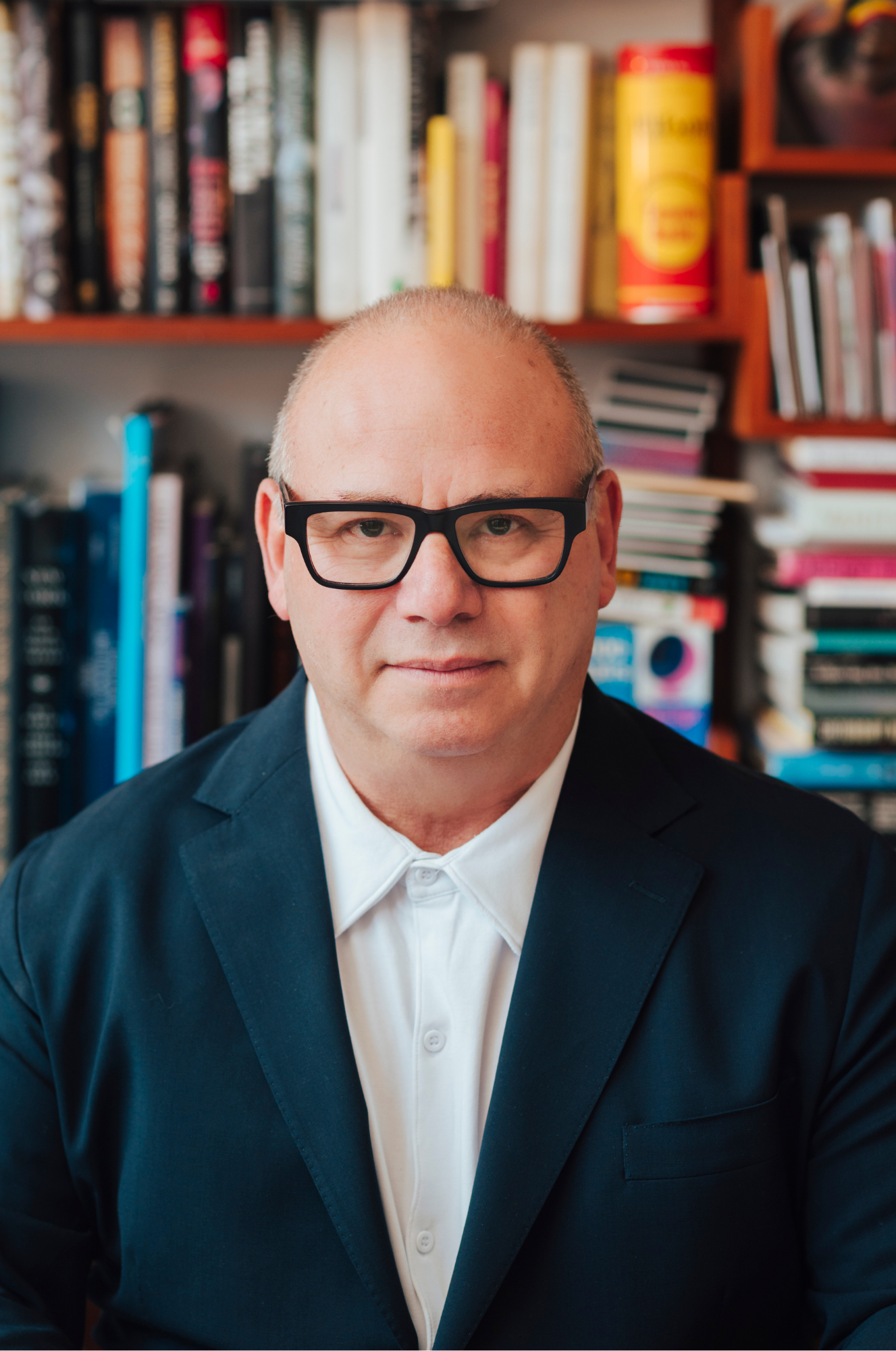
President / CEO
Jake Gold is one of the most influential figures in Canadian music history. As the founder and CEO of The Management Trust, he has spent more than four decades discovering, developing, and championing talent at the highest levels. From helping transform The Tragically Hip into a national cultural icon, to shaping the careers of artists like The Pursuit of Happiness and Big Wreck, to managing award-winning producers and the next generation of rising stars, Jake’s fingerprints are on some of the most important music this country has ever produced.
Many Canadians also know him from his six-season run as a judge on Canadian Idol, but behind the scenes he has been equally impactful, serving on the boards of CIMA, MMF, Connect Music, and Re:Sound, shaping policy, advocacy, and the business of music itself.
With a Hall of Fame career, a rare instinct for talent, and a legacy that continues to influence culture across generations, Jake Gold stands as one of the true architects of Canadian music. His vision, his strategy, and his ability to build careers that stand the test of time have made him a defining force in this country’s creative landscape.